Introduction to Dosing Systems
Dosing systems are essential components in industries where precision and control over fluid distribution are critical. These systems ensure the accurate delivery of a specific amount of chemical or substance into a process. While they might sound complex, a dosing system is essentially a setup that includes a pump, a control system, and various sensors to ensure everything works as intended. They are used in water treatment, food and beverage production, and even in pharmaceuticals to ensure that processes are efficient and safe. The ultimate goal is to maintain quality and consistency, which is why dosing systems are considered a vital piece of equipment in many sectors.
The Basic Components of Dosing Systems
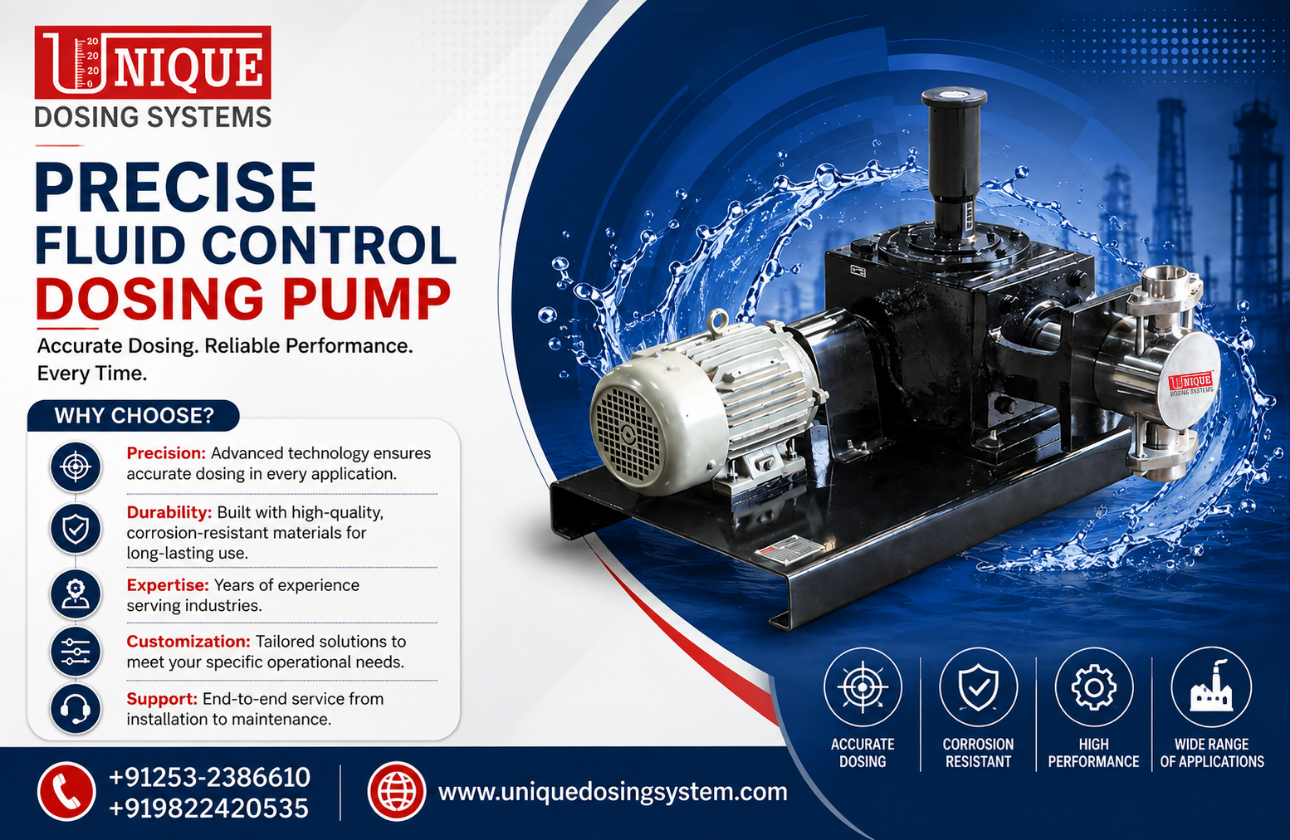
A dosing system comprises several critical components working together seamlessly. At the heart of every system is the dosing pump, which moves the chemical from a storage container into the main process. Then there's the control unit, which regulates how much of the chemical is released and ensures it's delivered at the right time. Sensors play an important role, providing feedback to the control unit to keep everything operating smoothly. Most systems also have valves and piping to direct the flow accurately. The combination of these parts allows for exceptionally precise dosing, which is key in processes where even a slight deviation can have significant consequences.
Types of Dosing Systems
There are different types of dosing systems tailored to meet specific industrial needs. The most common ones include gravimetric dosing systems, which measure substances based on weight, and volumetric dosing systems that rely on volume. Each type has its pros and cons depending on the application's requirements. For example, gravimetric systems are often used in the food industry due to their accuracy. Meanwhile, volumetric systems are preferred in water treatment applications for their simplicity and reliability. Understanding the differences helps industries choose the best system for their unique needs.
Applications of Dosing Systems in Water Treatment
In water treatment, dosing systems are crucial for maintaining water quality. They are used to add chlorine, fluoride, or other chemicals to water to make it safe for human consumption. These systems play a pivotal role in both municipal and industrial water treatment plants. With the ability to adjust chemical doses based on the quality of incoming water, dosing systems ensure that the water is not only safe but also meets stringent regulatory standards. Water treatment professionals often utilize comprehensive guides to understand these systems better and optimize their performance.
Role of Dosing Systems in the Food and Beverage Industry
The food and beverage industry heavily relies on dosing systems for product consistency and safety. Ingredients such as flavorings, preservatives, and colorants must be added in precise amounts to maintain the desired product quality. Dosing systems ensure that these components are accurately dispensed, helping to achieve the perfect balance of taste and safety. Particularly in large-scale operations, precision is non-negotiable. High efficiency is required to handle massive quantities without error. By using simple guides to understanding dosing systems, professionals can make sure they meet consumer expectations and regulatory requirements.
Dosing Systems in Pharmaceuticals: Ensuring Precision
The pharmaceutical industry demands the highest levels of precision, and dosing systems are key players. In this field, even the smallest deviation in drug formulation could have significant health implications. Dosing systems ensure that active pharmaceutical ingredients (APIs) are added in exact proportions, maintaining the safety and efficacy of the drugs produced. Their design allows for the stringent control over each step of the production process, making them indispensable to any pharmaceutical operation. Resources like the deep dive into dosing systems provide invaluable insights into their optimal use in pharmaceuticals.
Challenges and Solutions in Implementing Dosing Systems
Implementing dosing systems can present several challenges for industries. Factors such as cost, complexity of installation, and the need for regular maintenance can deter companies from upgrading. However, the benefits often outweigh these concerns. Modern systems come with advanced features that simplify their operation and maintenance, reducing downtime and running costs over time. Effective training and the adoption of comprehensive management strategies can also ease the transition. By tapping into resources such as a practical overview of dosing systems, companies can overcome common hurdles associated with these systems.
Dosing Systems: The Future and Innovations
The future of dosing systems is bright, with innovations geared towards automation and smart technology integration. As industries move towards industry 4.0, dosing systems are evolving to become more intelligent and connected. Innovations include sensors with real-time data capabilities and systems integrated with cloud technology, enabling remote management and analytics. These advancements will lead to improved efficiency, reduced wastage, and enhanced production capabilities, aligning dosing systems with modern, eco-friendly industrial practices.
Frequently Asked Questions
1. What is a dosing system and why is it used?
Answer: A dosing system is a set of equipment used to precisely deliver chemicals into a process. They are crucial in industries to ensure accurate chemical application, reduce waste, and improve safety.
2. Which industries benefit the most from dosing systems?
Answer: Industries such as water treatment, food and beverage, and pharmaceuticals benefit significantly. Dosing systems in these fields ensure safety, consistency, and regulatory compliance.
3. How do dosing systems improve efficiency in water treatment?
Answer: They allow for precise chemical dosing based on specific water conditions, ensuring that treatment plants optimize chemical usage and meet water quality standards effectively.
4. What is the main difference between gravimetric and volumetric dosing systems?
Answer: Gravimetric systems measure chemicals by weight, whereas volumetric systems use volume. Each has its own benefits depending on the precision needs of the application.
5. Are there any resources to learn more about dosing systems?
Answer: Yes. Websites like unique dosing offer in-depth guides and articles on understanding and implementing dosing systems effectively.