What Are Dosing Systems?
Dosing systems are intricate setups used to inject precise amounts of substances into a process. Imagine a process where certain liquids or gases need to be added in exact amounts to achieve the desired outcome, such as in water treatment or chemical processing. These systems are essential as they ensure that the right quantity of a substance is used, reducing waste and optimizing efficiency.
Types of Dosing Systems
There are various types of dosing systems, each designed for specific applications. Common types include pump-based systems, gravity dosing systems, and time-based systems. Pump-based systems are often used when precision is critical. Gravity systems are simpler and rely on the force of gravity to move substances. Time-based systems release substances at set intervals, which is useful in applications like disinfection. Each type serves a unique purpose in different industries, ensuring that operations flow smoothly.
Components of Dosing Systems
A typical dosing system comprises several key components: the pump, which is the heart of the system; valves, which control flow; control units, which regulate the process; and the storage tank, where substances are housed. These components work together seamlessly to ensure precise dosing. The integration of modern technologies further enhances their accuracy and efficiency.
Applications in Various Industries
Dosing systems find applications across many industries. In the medical field, they are crucial in administering medications. In water treatment, they ensure the right chemicals are used to treat water safely. The food industry uses them for adding exact amounts of ingredients, ensuring consistency and quality. By accommodating the varied needs of these industries, dosing systems play a pivotal role in improving operational efficiency.
The Role of Dosing Pumps
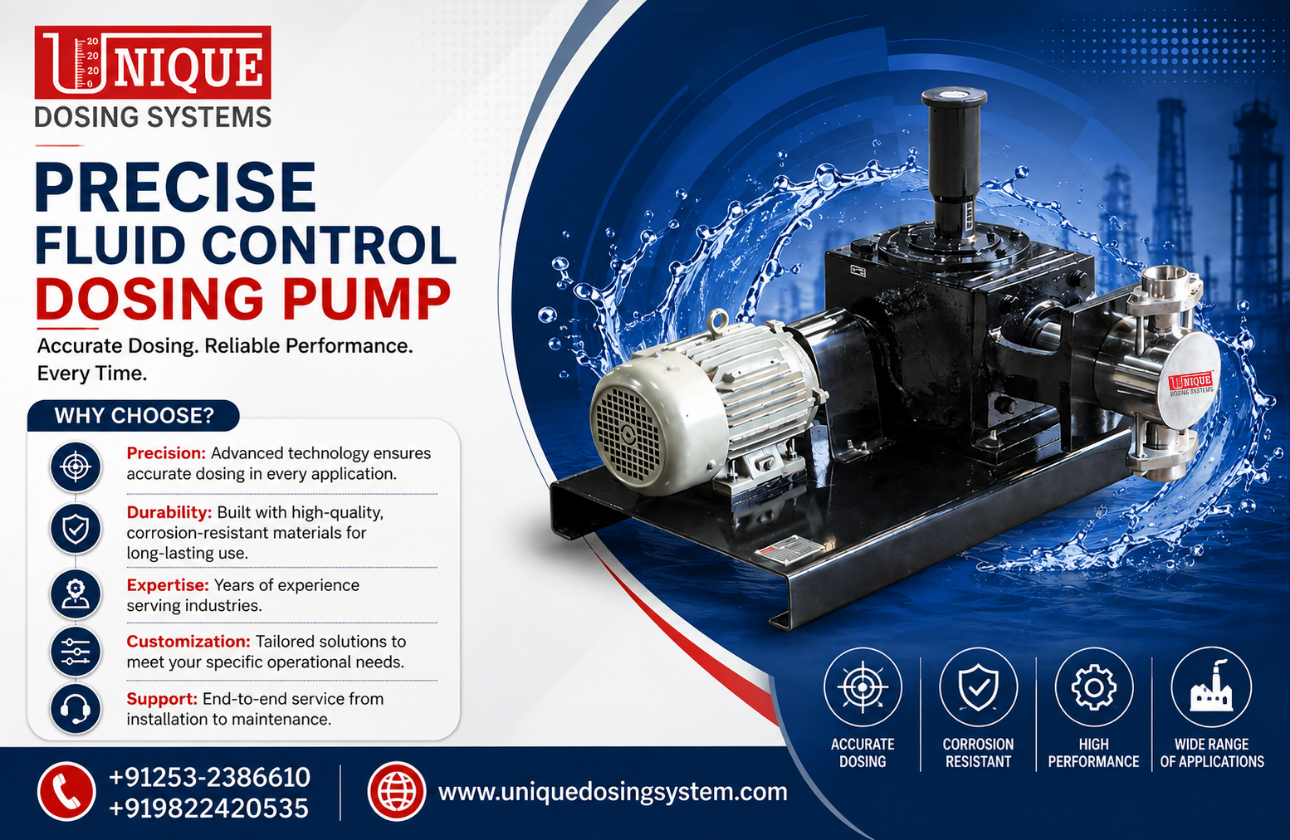
Dosing pumps are vital components of dosing systems. They control the amount of liquid that enters the system, often allowing operators to adjust settings as needed. These pumps are known for their accuracy and reliability, helping maintain the delicate balance required in many processes. For more insights, you can explore advanced dosing pump technologies.
Choosing the Right Dosing System
Choosing the right dosing system depends on several factors including the type of substance, volume, and specific application needs. Evaluating these factors carefully helps in selecting a system that ensures precision and efficiency. There are many resources available to help guide this choice, including manufacturer recommendations and guides on manufacturers.
Maintenance and Troubleshooting
Regular maintenance and timely troubleshooting are key to ensuring the longevity of dosing systems. Regular checks should involve inspecting pumps for wear and tear, ensuring all components are functioning correctly, and calibrating systems to maintain precision. Troubleshooting manuals and expert advice are valuable resources in addressing and resolving issues swiftly, minimizing downtime.
Advancements in Dosing Technology
Over the years, dosing systems have evolved greatly. Today, many systems include advanced features like automated controls, cloud connectivity, and real-time monitoring capabilities. These advancements have increased efficiency and reduced the risk of human error significantly. To learn more about the latest trends, explore innovative systems.
The Importance of Precision
Precision in dosing systems is crucial as even the slightest deviation can result in subpar outputs or even safety hazards. Precision ensures consistency, quality, and safety in processes across industries. It's essential to choose the right system, maintain it well, and leverage technology to achieve the highest standards of precision.
Environmental Impact
Dosing systems also play a role in mitigating environmental impact. They help in optimizing the use of chemicals and reducing waste, contributing to more sustainable industrial practices. By aligning with the growing emphasis on environmental responsibility, dosing systems continue to evolve, paving the way for greener solutions.
Future of Dosing Systems
The future of dosing systems looks promising with ongoing technological advancements. We can expect more integration with digital platforms, improved automation, and heightened efficiency. Companies are investing in research and development, aiming to make dosing systems even more cost-effective and environmentally friendly. For a deeper dive, check out future trends and predictions in the industry.
Frequently Asked Questions
1. What industries use dosing systems?
Answer: Many industries use dosing systems, including medical, water treatment, and food processing. These systems are crucial for maintaining quality and efficiency in various applications.
2. How do dosing systems ensure precision?
Answer: Dosing systems ensure precision through carefully calibrated components such as pumps, control units, and valves. Advanced technologies like real-time monitoring further enhance accuracy.
3. How often should dosing systems be maintained?
Answer: Maintenance frequency depends on usage, but regular checks are recommended. At least once every few months should suffice for most systems to ensure proper functioning.
4. What are the advantages of using dosing systems?
Answer: Dosing systems improve efficiency, reduce waste, and ensure the safe and optimal use of chemicals or substances. They play a vital role in enhancing processes and minimizing the environmental impact.
5. Are there any new technologies in dosing systems?
Answer: Yes, many dosing systems now feature digital integrations, automated controls, and enhanced software capabilities, making operations smoother and more efficient.