
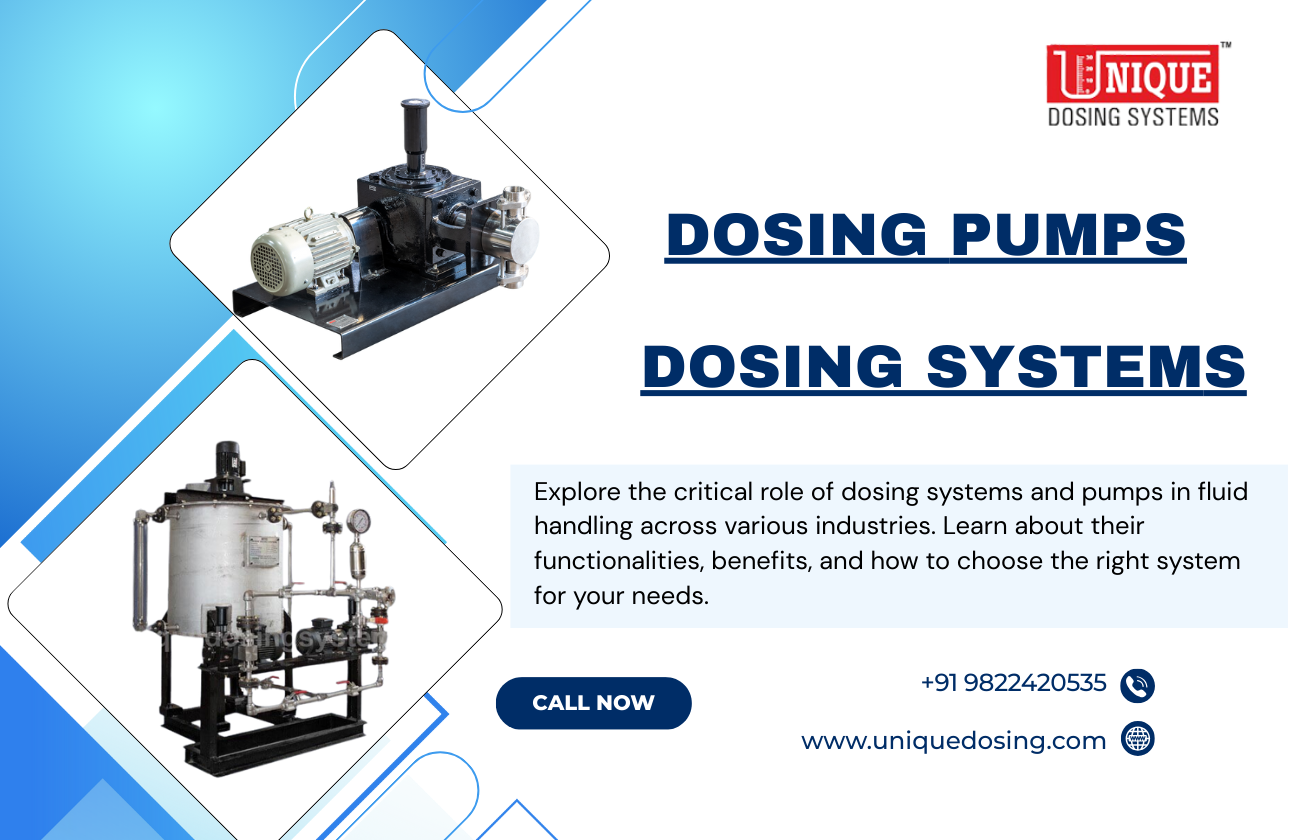
Understanding Dosing Systems: The Key to Efficient Fluid Handling
In industries ranging from water treatment to food production, the precision and reliability of fluid handling can significantly impact productivity and product quality. At the heart of many fluid handling processes are dosing systems and dosing pumps. This article delves deep into the mechanics of dosing systems, their applications, and tips for selecting the right system for your specific needs.
What Are Dosing Systems?
Dosing systems are specialized setups used to measure and control precise volumes of chemicals or other fluids into a process or system. They are essential in ensuring accurate, safe, and efficient fluid mixing and application across various industries.
Components of a Dosing System
- Dosing Pump: The heart of any dosing system, responsible for moving the fluid from a reservoir into the process.
- Control Systems: Typically involves software or hardware to manage the volumetric and timing controls for the pump to ensure precise dosing.
- Piping and Hosing: The conduits through which fluids are transported from the point of supply to the point of application.
- Sensors and Valves: These devices manage flow rate and pressure ensuring optimal operation.
Types of Dosing Pumps
Dosing pump, being the core of any dosing system, come in various types designed to handle different applications and fluid characteristics:
- Peristaltic Pumps: Perfect for handling corrosive or viscous fluids, popular in lab settings.
- Diaphragm Pumps: Common in the chemical industry due to their ability to handle aggressive fluids without contamination.
- Piston Pumps: Ideal for applications requiring high-pressure fluid delivery.
Applications of Dosing Systems
Dosing systems serve a multitude of industries, each with unique needs:
- Water Treatment: For the precise pH adjustment and chemical dosing essential for safe water quality.
- Food and Beverage: Ensures consistent flavor, color, and preservation through precise ingredient addition.
- Pharmaceuticals: Critical for accurate drug formulation and manufacturing.
- Petrochemical: Used for additive inclusion and process stabilization.
Choosing the Right Dosing System
When selecting a dosing system, consider factors such as:
- Fluid Characteristics: Viscosity, corrosiveness, and reactivity determine pump materials and type.
- Application Requirements: Assess flow rates, pressure requirements, and precise dosing needed.
- Control Systems: Modern systems that offer precision timers or sensors enhance efficiency and consistency.
Conclusion
Dosing systems and dosing pumps are indispensable in any industry requiring accurate fluid management. By understanding the different types and applications, businesses can enhance efficiency and maintain high-quality standards in their processes. Ensure you assess your facility’s needs and consult with professionals to choose the right system for seamless operation.