What is a Metering Pump?
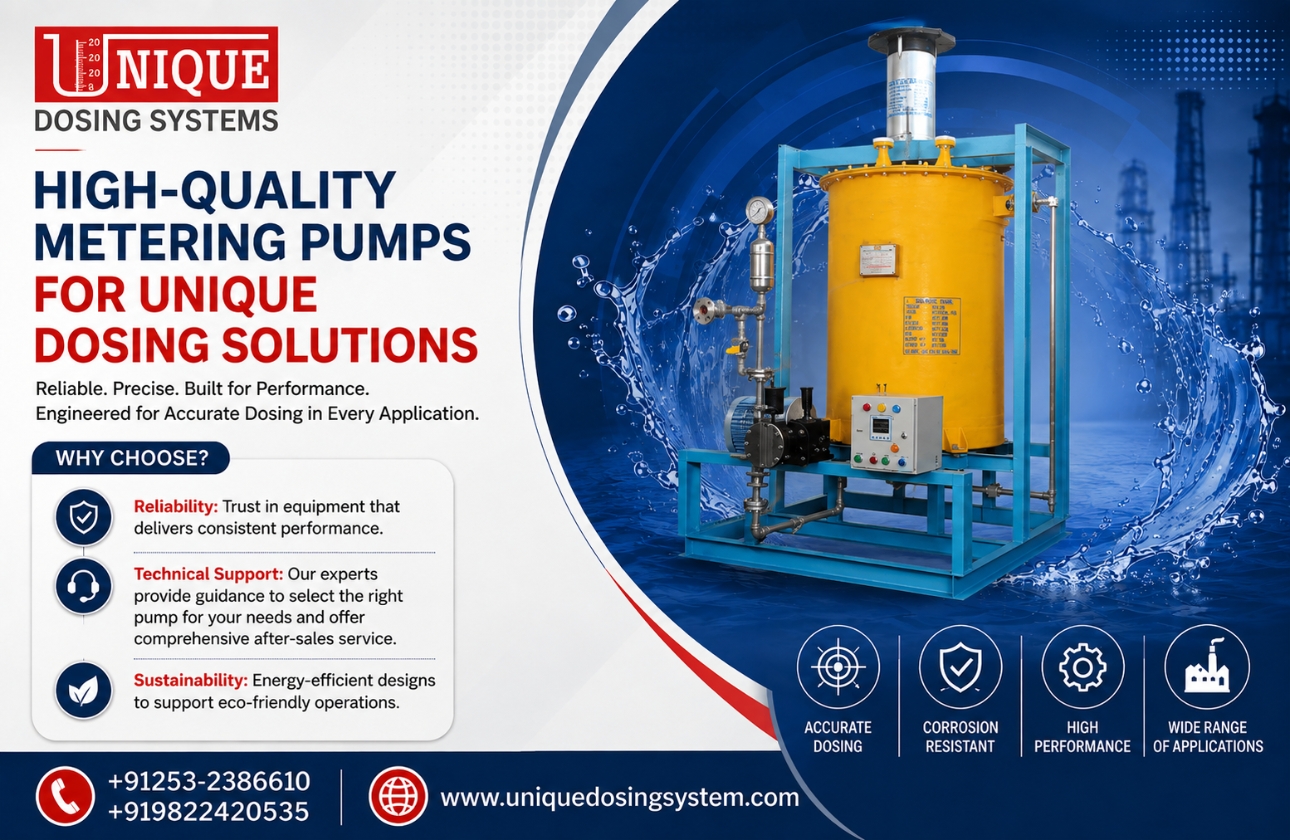
A metering pump is a type of pump used to move precise amounts of liquids or gases. It is often used in industrial settings where accurate measurements are critical. For example, these pumps are key in processes like water treatment and chemical manufacturing. The name 'metering' comes from the pump's ability to control the flow rate. This means you can set it to deliver just the right amount of substance. They are designed to handle a wide range of chemicals and viscosities, making them versatile tools in many industries.
How Do Metering Pumps Work?
Metering pumps operate on a simple principle. They use a motor to move a piston or diaphragm to create a vacuum, drawing the liquid into the pump. Then, the piston pushes the liquid out at a controlled rate. This mechanism allows for precision in fluid delivery. The flow rate can be controlled through the motor speed and stroke length adjustments. This makes them especially useful in environments where exact dosing is required. An example of their use is in dispensing treatment chemicals into water, ensuring the right balance to consider health and safety.
Different Types of Metering Pumps
There are several types of metering pumps, each suited to different applications. Diaphragm metering pumps are popular for their reliability and ability to handle corrosive chemicals. They use a diaphragm mechanism that isolates the pumping chamber, reducing wear and tear. Piston pumps, on the other hand, are favored for their high-pressure capability. They work best with less aggressive fluids and are often used in applications like oil and gas. Peristaltic pumps offer a unique design where a rotating mechanism compresses the tube carrying the liquid. This makes them ideal for slurries or fluids with suspended solids.
Common Applications of Metering Pumps
Metering pumps are used in a wide range of industries, reflecting their utility and importance. In water treatment, they help in dosing disinfectants that purify water for safe consumption. The precise control of these pumps ensures that only the required amount of chemical is added, preventing overdosing, which can lead to contamination. In the food and beverage industry, metering pumps accurately dispense flavors and colorings, crucial for maintaining product consistency. Chemical processing industries use these pumps to add catalysts or reagents carefully. Their versatility makes them a trustworthy choice across sectors.
The Importance of Accuracy and Precision
The precision of metering pumps is what sets them apart from other types of pumps. When dealing with potentially hazardous chemicals or ingredients where correct dosing is vital, accuracy is non-negotiable. This precision helps maintain reaction results, safety standards, and quality control. Many modern metering pumps come equipped with sensors and controllers to enhance accuracy further. This means automatic adjustments can be made in real time, reducing the risk of human error. By ensuring the safe and efficient distribution of chemicals, metering pumps play a vital role in both environmental protection and safety.
How to Choose the Right Metering Pump
Selecting the right metering pump involves considering several factors. You should assess the chemical compatibility, as different pumps handle various substances differently. It’s also important to know the pressure requirements of your application, as high-pressure environments might necessitate a piston pump. Consider the pump's accuracy and flow rate requirements, as well as the viscosity of the fluid being pumped. Finally, maintenance needs and the reliability of the manufacturer must be kept in mind. Choosing the right pump can lead to better efficiency and cost savings in the long term.
Maintenance and Troubleshooting
Proper maintenance of metering pumps is crucial to ensure their longevity and optimal performance. Regular inspections and timely servicing can prevent issues before they escalate. Common maintenance activities include checking for leaks, cleaning the pump to prevent clogging, and verifying the calibration remains accurate. If a problem arises, troubleshooting should be part of the routine. Look for the source of any leaks, ensure the fluid pathways are clear, and check for any unusual noises that might indicate mechanical wear. Addressing these promptly can extend the life of the pump.
Future Trends in Metering Pumps
Advancements in technology are continually enhancing the efficiency and capabilities of metering pumps. With the integration of digital interfaces and IoT, operators can now monitor and control these pumps remotely, allowing for enhanced operational flexibility and real-time data tracking. Smart metering systems equipped with AI can predict and adjust the pump's behavior, optimizing flow rates automatically in response to fluctuating conditions. Additionally, there's a growing push towards energy-efficient designs that minimize power consumption without sacrificing performance. As industries continue to evolve, so will the features and functionalities of metering pumps, making them even more integral to sophisticated fluid management systems.
Frequently Asked Questions
1. What are metering pumps used for?
Answer: Metering pumps are used primarily for precise fluid delivery in various industries, such as water treatment, food and beverage manufacturing, and chemical processing. They ensure the correct amount of liquid or gas is dispensed, adhering to stringent quality standards.
2. How do you maintain a metering pump?
Answer: To maintain a metering pump, regularly check for leaks, clean components to avoid clogs, calibrate the pump for accuracy, and inspect for mechanical wear. Routine maintenance helps in extending the pump's lifespan and performance.
3. What is the difference between a diaphragm and a piston metering pump?
Answer: A diaphragm pump uses a flexible diaphragm to create suction and expel liquid, ideal for corrosive chemicals. Piston pumps, meanwhile, use a piston mechanism, offering high-pressure capabilities suitable for less aggressive fluids.
4. Can metering pumps handle different types of fluids?
Answer: Yes, metering pumps are designed to handle a wide array of fluids, including corrosives, slurries, and viscous substances. The choice of pump type (diaphragm, piston, peristaltic) usually depends on the specific fluid characteristics.
5. Are there energy-efficient metering pumps?
Answer: Many modern metering pumps are designed to be energy-efficient, reducing power consumption while maintaining performance levels. With innovations like digital interfaces and smart controls, they are becoming more efficient than ever before.