Introduction to Metering Pumps
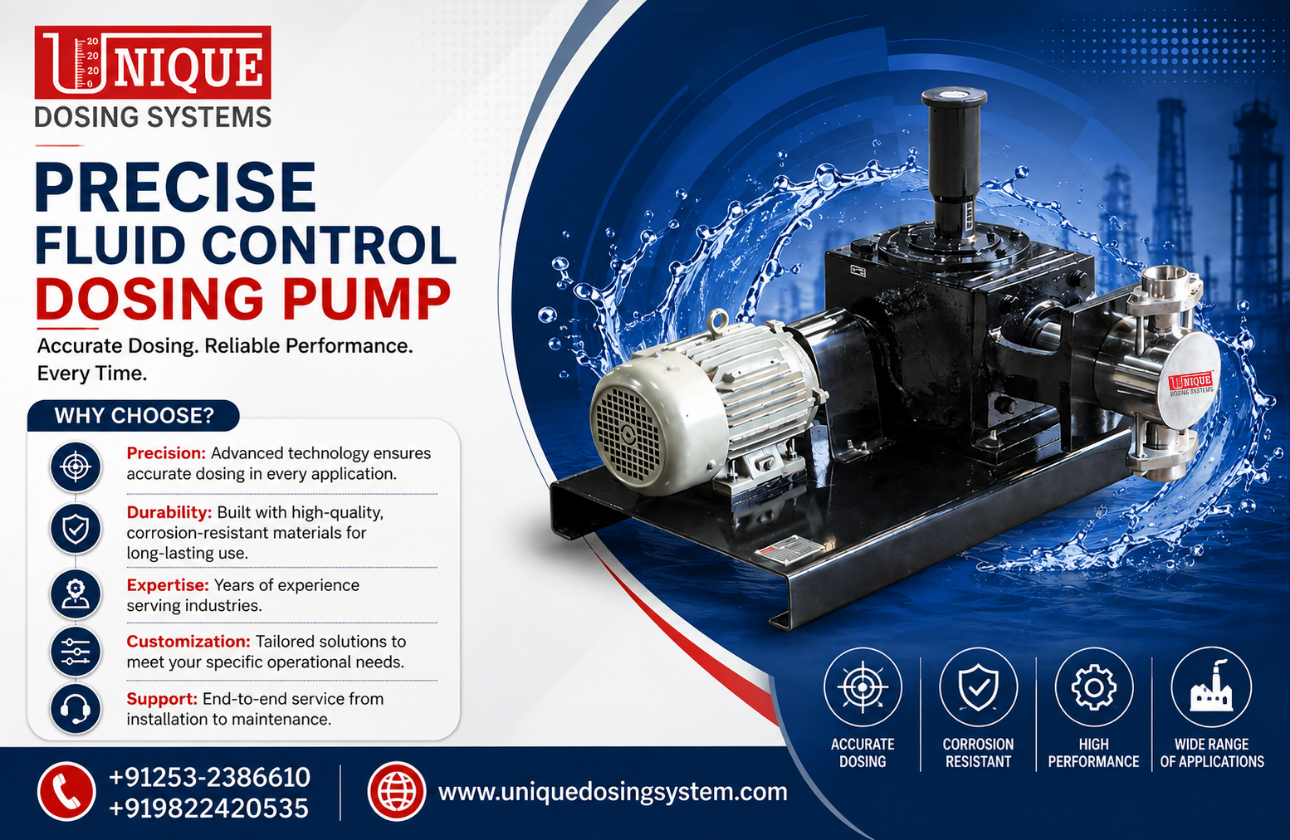
Metering pumps play a crucial role in various industries by accurately delivering precise amounts of liquids. These pumps are essential for processes where controlling the flow and the volume of the fluid is necessary. They are known for their ability to handle various chemicals with precision. For industries that depend on consistent fluid management, metering pumps are indispensable.
How Do Metering Pumps Work?
The working principle of a metering pump involves a reciprocating diaphragm or piston mechanism that allows the fluid to be moved in controlled rates. This pump can be adjusted manually or automatically, depending on the system requirements. The adjustments ensure the precision and accuracy needed in different applications, from water treatment to chemical processing.
Applications of Metering Pumps
Metering pumps are versatile and used across numerous sectors. They are commonly found in water treatment because they can precisely add chemicals like chlorine. In the food industry, these pumps ensure that ingredients are added in the right proportions for consistent product quality. Moreover, they are vital in wastewater treatment facilities and other industrial applications requiring exact chemical dosing.
Benefits of Using Metering Pumps
The primary advantage of using metering pumps is their accuracy. They ensure that the exact amount of a substance is delivered, minimizing waste and reducing costs. Additionally, these pumps are reliable and durable, making them a cost-effective solution for continuous operations. Their ability to handle various chemicals also adds to their versatility.
Challenges in Metering Pump Operations
One of the significant challenges faced with metering pumps is ensuring they are configured correctly for the precise application. The materials used in their construction must align with the chemical properties they handle to prevent corrosion. Regular maintenance and calibration are necessary to ensure their efficiency. An incorrect setup can lead to inefficiency and is a known risk factor in operations.
Choosing the Right Metering Pump
When selecting a metering pump, it is essential to consider factors such as the type of liquid being pumped, the required flow rate, and the operating environment. Understanding the needs of the application helps in choosing a pump with the right capacity and material. Manufacturers provide specific models tailored for different industrial needs, ensuring the efficiency and longevity of the pumps.
Metering Pumps in Modern Industries
In modern industries, metering pumps are crucial for maintaining process accuracy and efficiency. They enable seamless integration into automated systems, allowing for precision in chemical dosing. These pumps have evolved with technology, offering digital control capabilities and enhanced monitoring features.
Maintaining and Servicing Metering Pumps
Regular maintenance ensures that metering pumps operate efficiently. It involves checking for any wear and tear on components and ensuring all parts function correctly. Proper servicing extends the life of the pump and prevents unforeseen breakdowns. Establishing a maintenance schedule is vital for uninterrupted operations.
Advancements in Metering Pump Technology
Recent technological advancements have introduced new features such as digital monitoring and adjustable flow control in metering pumps. These innovations enhance the effectiveness and adaptability of the pumps in various applications. Industries are increasingly adopting these advancements to improve precision and operational efficiency.
Integrating Metering Pumps in Dosing Systems
Metering pumps are an integral part of dosing systems, ensuring that fluids are delivered in precise quantities for various processes. They provide accuracy and control, essential for applications that demand utmost precision. By integrating with other technologies, metering pumps help in optimizing fluid management processes effectively.
The Future of Metering Pumps
The future of metering pumps looks promising with continuous innovations focusing on sustainability and efficiency. The demand for precise fluid management drives research and development, paving the way for more energy-efficient and eco-friendly pump options. With environmental consciousness growing, the industry is set to see even more advanced solutions that cater to modern industrial needs.
Frequently Asked Questions
1. What industries commonly use metering pumps?
Answer: Metering pumps are used in various industries such as water treatment, chemical manufacturing, food and beverage, pharmaceuticals, and oil and gas. They are crucial for applications requiring precise measurement and dispensing of liquids.
2. What should be considered when choosing a metering pump?
Answer: Important factors include the type of liquid, required pressure, viscosity, and flow rate. Consideration of material compatibility and environmental conditions is also key in choosing the correct pump.
3. How do metering pumps benefit water treatment processes?
Answer: In water treatment, metering pumps provide accurate dosing of chemicals like chlorine to ensure the safety and cleanliness of water supplies. Their precision helps in achieving consistency and improving efficiency in water management.
4. How have advancements in technology impacted metering pumps?
Answer: Technological advancements have led to the development of digital interfaces, improved materials, and enhanced monitoring capabilities. These improvements increase accuracy, durability, and ease of integration into various systems.
5. Why is regular maintenance important for metering pumps?
Answer: Regular maintenance ensures the longevity and efficiency of metering pumps. It involves checking for wear and tear, correcting settings, and replacing components to prevent breakdowns and maintain their precision in operations.