What are Metering Pumps?
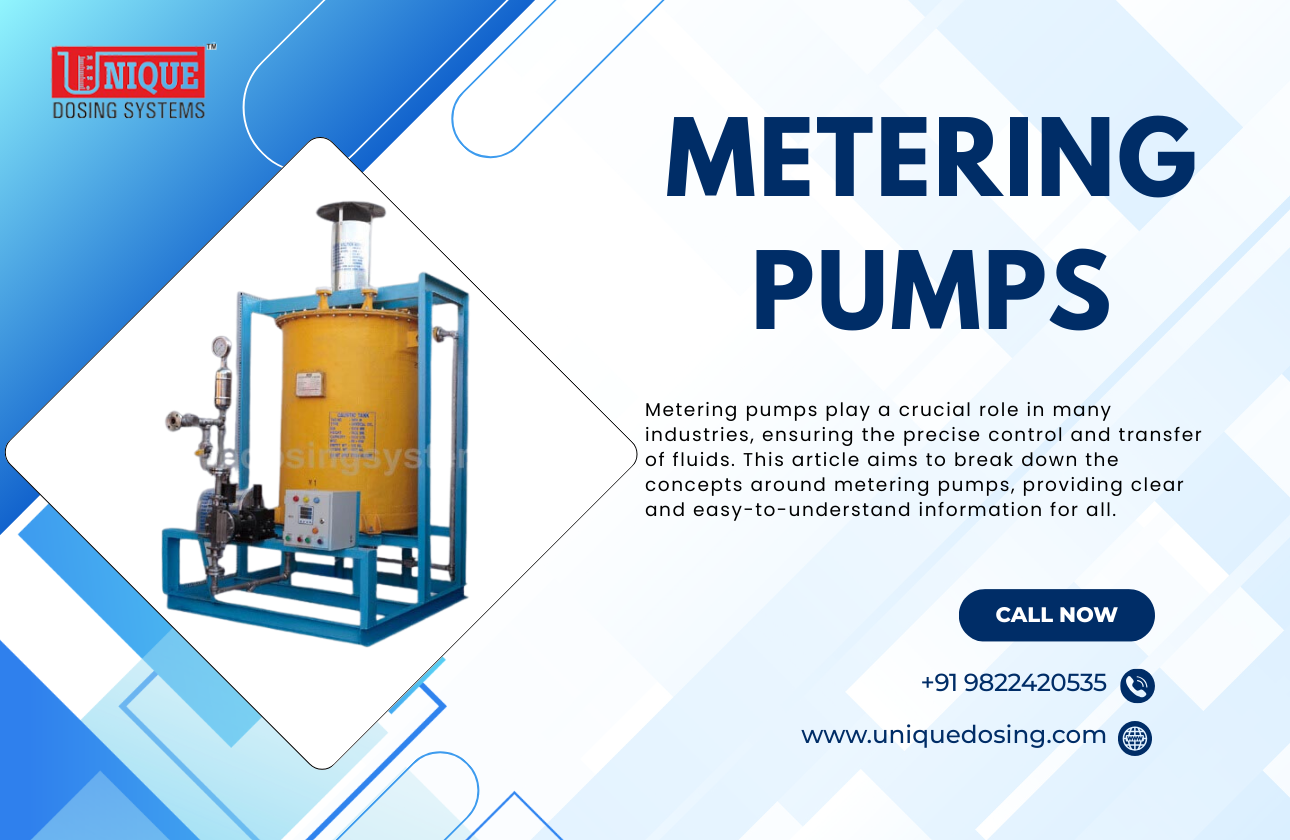
Metering pumps are devices used to move a precise amount of liquid through a piping system. These pumps are vital for applications like chemical injection and water treatment where accurate fluid management is necessary. Unlike regular pumps, they allow for precise control over the flow rate, which can be adjusted according to need. It's their ability to handle aggressive and corrosive liquids that makes them an essential tool across various industries.
How Do Metering Pumps Work?
Metering pumps function by drawing in a specific volume of liquid with each stroke or cycle and then releasing it into the system. This is done through a reciprocating motion that is often driven by a motor or an actuator. As a result, they offer a controlled flow rate which can be adjusted either manually or automatically. The pump's accuracy in delivering the exact amount needed makes it a preferred choice for processes that require precision.
Types of Metering Pumps
There are several types of metering pumps, each designed for specific needs and purposes. The most common types include diaphragm pumps, piston pumps, and peristaltic pumps. Diaphragm pumps use a flexible diaphragm to move liquids, making them ideal for handling corrosive chemicals. Piston pumps, on the other hand, are known for their high-pressure capabilities. Lastly, peristaltic pumps work by squeezing a flexible tube, making them perfect for handling shear-sensitive fluids.
Applications of Metering Pumps
Metering pumps have a broad range of applications. They are widely used in the pharmaceutical industry for dosing exact amounts of medications. In water treatment plants, they help in adding the right amounts of chlorine and other chemicals to ensure safe, clean water. Industries such as food and beverage also rely on these pumps to ensure the consistent quality of their products by controlling ingredient ratios precisely.
The Importance of Precision in Metering Pumps
Precision is the hallmark of metering pumps. These pumps are crucial for tasks that demand high accuracy, like blending, dosing, and dispensing. In industries where even a slight variation in fluid concentration can lead to failures, having equipment that delivers exact quantities every time is imperative. This precision helps save costs by reducing waste and ensuring that processes are not disrupted due to incorrect dosing.
Advantages of Using Metering Pumps
Metering pumps come with several advantages. They are highly reliable and sturdy, ensuring long-lasting performance even under extreme conditions. Their ease of maintenance and straightforward design make them user-friendly and cost-effective. Additionally, their ability to handle a range of chemicals, from highly viscous to volatile, demonstrates their versatility in industrial applications.
Challenges in Using Metering Pumps
While metering pumps are indispensable in many fields, they do come with challenges. The complexity of installations and the need for precise calibration can sometimes be daunting. Regular maintenance is essential to prevent wear and tear, especially when handling chemicals that may cause corrosion. Furthermore, selecting the right pump for the specific application is crucial, as using an inappropriate pump can lead to inefficiency and increased cost.
Future of Metering Pumps
The demand for metering pumps is expected to grow as industries continue to expand and innovate. Improved technology is contributing to the development of smart pumps that integrate with digital systems for better control and monitoring. As industries strive for greater efficiency and sustainability, the role of advanced metering pumps will become even more central in achieving these goals.
Frequently Asked Questions
1. What are the main uses of metering pumps?
Answer: Metering pumps are primarily used for precise fluid handling. They are critical in industries such as pharmaceuticals, water treatment, and food processing, where exact dosages and flow rates are crucial.
2. How do I choose the right metering pump?
Answer: Choosing the right metering pump depends on the specific requirements of your application, including the type of fluid, desired flow rate, and pressure. It's essential to consult with experts or refer to comprehensive guides to make an informed decision.
3. Are metering pumps suitable for all chemicals?
Answer: While metering pumps can handle a wide range of chemicals, it's important to choose a pump specifically designed for the type of chemical you'll be working with, as some chemicals may require special materials to prevent corrosion or damage.
4. What maintenance is required for metering pumps?
Answer: Regular maintenance for metering pumps includes checking seals and valves for wear, ensuring calibration is accurate, and monitoring the pump's performance to detect issues early. Proper maintenance ensures longevity and reliability.
5. Can metering pumps be automated?
Answer: Yes, many modern metering pumps can be integrated with automation systems, allowing for remote monitoring, control, and adjustment of flow rates and other parameters, enhancing efficiency and precision in various applications.