
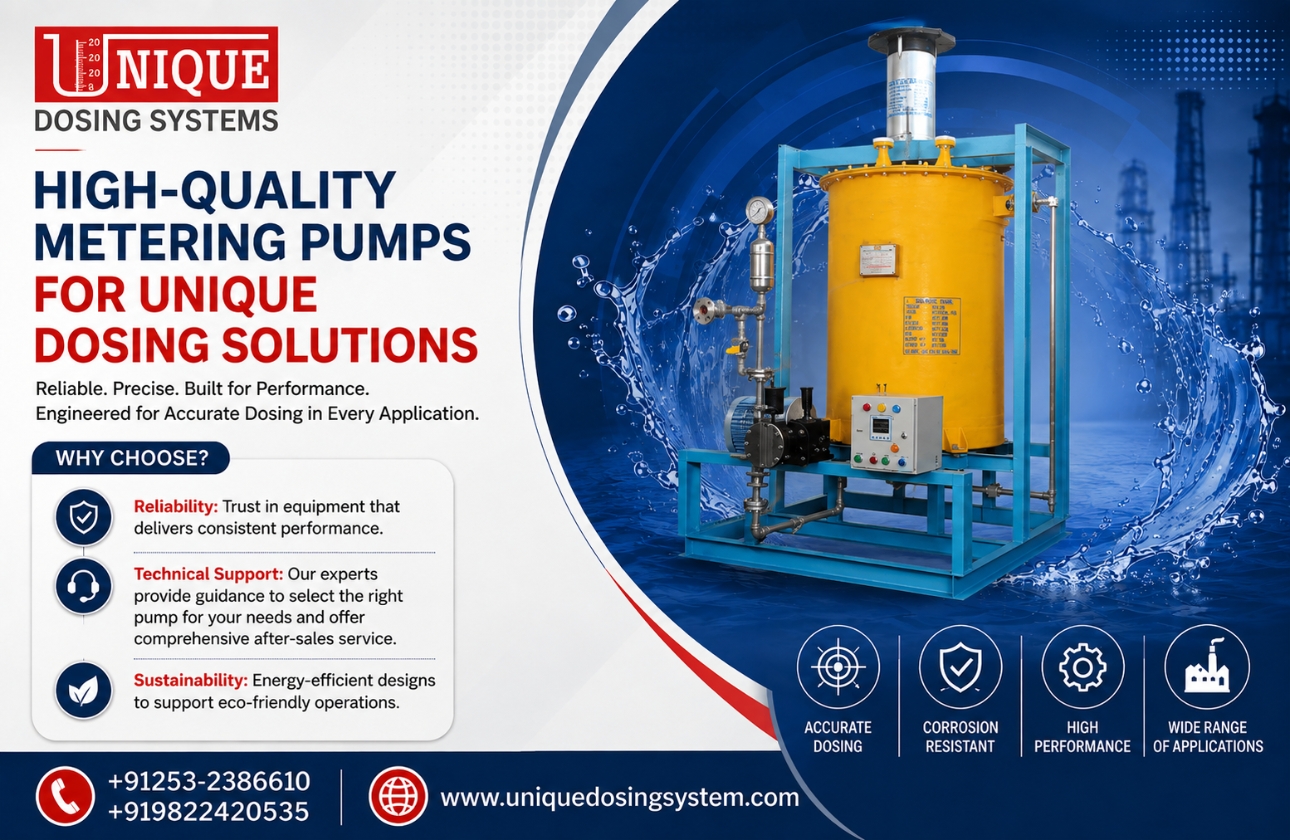
Introduction to Metering Pumps
Metering pumps, often seen as the heart of dosing systems, are indispensable in many industries. They play a crucial role in ensuring precision and control when dispensing fluids. But what is a metering pump? Simply put, it's a machine that controls the flow rate of a fluid. This control is essential in industries like pharmaceuticals, food and beverage, and water treatment, where exact measurements are needed. By understanding their purpose and function, we can better appreciate how these pumps contribute to efficient and accurate operations across different fields.
Components of Metering Pumps
Understanding the components of a metering pump is key to grasping how they work. Generally, they consist of a drive mechanism, a pump head, valves, and tubing. The drive mechanism, often motor-powered, is responsible for moving the components within the pump. The pump head contains the chamber where the fluid is drawn in and expelled. Valves ensure the fluid moves in the right direction, preventing backflow and ensuring accurate dosing. Tubing connects the pump to the source and delivery points. Each component plays a vital role in maintaining the precision and reliability of the pump, making it a cornerstone in any system requiring controlled fluid flow.
Types of Metering Pumps
There are several types of metering pumps, each designed for different applications. The most common types include diaphragm pumps, piston pumps, and peristaltic pumps. Diaphragm pumps use a flexible diaphragm to move fluid. They are often preferred for their leak-free operation. Piston pumps, on the other hand, use a piston to draw and push out fluid, suitable for high-pressure applications. Lastly, peristaltic pumps rely on rollers compressing a hose or tube to move fluid, making them ideal for handling viscous liquids and sensitive materials without contamination risk. Each type has unique advantages, making it important to select the right one based on the specific requirements of the task at hand.
Benefits of Using Metering Pumps
The benefits of using metering pumps are numerous. They provide precise control over fluid flow, which is critical for applications that require exact measurements, such as chemical dosing. Additionally, metering pumps are versatile and can handle a wide range of fluids, including viscous and corrosive substances. Their design often allows for easy maintenance and calibration, ensuring long-term reliability and efficiency. Moreover, their ability to operate under varying conditions makes them suitable for diverse industrial settings. By offering these benefits, metering pumps contribute significantly to improving the efficiency, safety, and accuracy of fluid handling processes.
Common Applications of Metering Pumps
Metering pumps find applications across numerous industries. In the water treatment sector, they are essential for adding precise amounts of chemicals like chlorine to ensure clean and safe water supply. In the pharmaceutical industry, metering pumps are used for the precise dosing of ingredients in drug manufacturing processes. The food and beverage industry employs these pumps to maintain the quality and consistency of products by accurately controlling flavoring and coloring agents. Similarly, in agriculture, they are used for precision fertilization in hydroponics. These examples highlight the versatility and importance of metering pumps in maintaining process integrity across various sectors.
Selecting the Right Metering Pump
Choosing the right metering pump is crucial for ensuring optimal performance. Consider factors such as the fluid's chemical properties, the required flow rate, pressure, and the overall system requirements. It's also important to assess the environmental conditions in which the pump will operate. Ensure the materials used in the pump can withstand the chemical nature of the fluid to avoid degradation. Furthermore, it's wise to factor in ease of maintenance and support offered by manufacturers. With these considerations, you can select a pump that meets specific needs, providing efficiency and reliability.
Maintaining Metering Pumps
Proper maintenance of metering pumps ensures they continue to function effectively. Regular inspections are essential to check for wear and tear on components like tubing and valves. Calibration should be performed periodically to maintain dosing precision. It's also important to follow the manufacturer's guidelines for maintenance schedules and procedures. Simple steps like keeping components clean and ensuring proper lubrication can extend the life of a metering pump. By maintaining these crucial machines, industries can prevent costly downtime and ensure smooth operations.
Challenges in Using Metering Pumps
Despite their many advantages, using metering pumps comes with challenges. One common issue is the potential for wear and tear on components, leading to reduced accuracy and efficiency. Variations in fluid characteristics, such as temperature or viscosity, can also impact performance. Moreover, improper installation or maintenance can result in leaks or malfunctions. Addressing these challenges requires thorough understanding and adherence to best practices in both operation and maintenance. By doing so, industries can maximize the benefits while minimizing potential drawbacks.
Frequently Asked Questions
1. What is the main function of a metering pump?
Answer: The primary function of a metering pump is to precisely control the flow rate of a fluid, ensuring accurate dosing and delivery in various industrial applications.
2. How do diaphragm pumps differ from piston pumps?
Answer: Diaphragm pumps use a flexible diaphragm to move fluids and are known for leak-free operation, making them suitable for handling aggressive chemicals. In contrast, piston pumps use a piston mechanism, making them ideal for high-pressure applications.
3. Which industries commonly use metering pumps?
Answer: Metering pumps are commonly used in industries such as water treatment, pharmaceuticals, food and beverage, and agriculture due to their ability to precisely dose and handle various fluid types.
4. What factors should you consider when selecting a metering pump?
Answer: Important factors to consider include the chemical properties of the fluid, required flow rate, system pressure, and environmental conditions, as well as ease of maintenance and manufacturer support.
5. How can maintaining a metering pump ensure its longevity?
Answer: Regular maintenance, including inspections, calibration, and following manufacturer's guidelines, ensures the pump functions effectively. Proper care can prevent malfunctions and extend the pump's lifespan.