In modern industrial processes, accurate chemical dosing is essential for maintaining product quality, process efficiency, and operational safety. Industries such as water treatment, wastewater management, chemical processing, and manufacturing require reliable equipment capable of delivering precise quantities of chemicals under controlled conditions.
Auto controlled dosing pump manufacturers provide advanced dosing solutions that help industries automate chemical injection, reduce manual intervention, and maintain consistent process performance.
In this guide, we explore the working principle, components, control modes, applications, and selection criteria for automatic chemical dosing pumps.
What Is an Auto Controlled Dosing Pump?
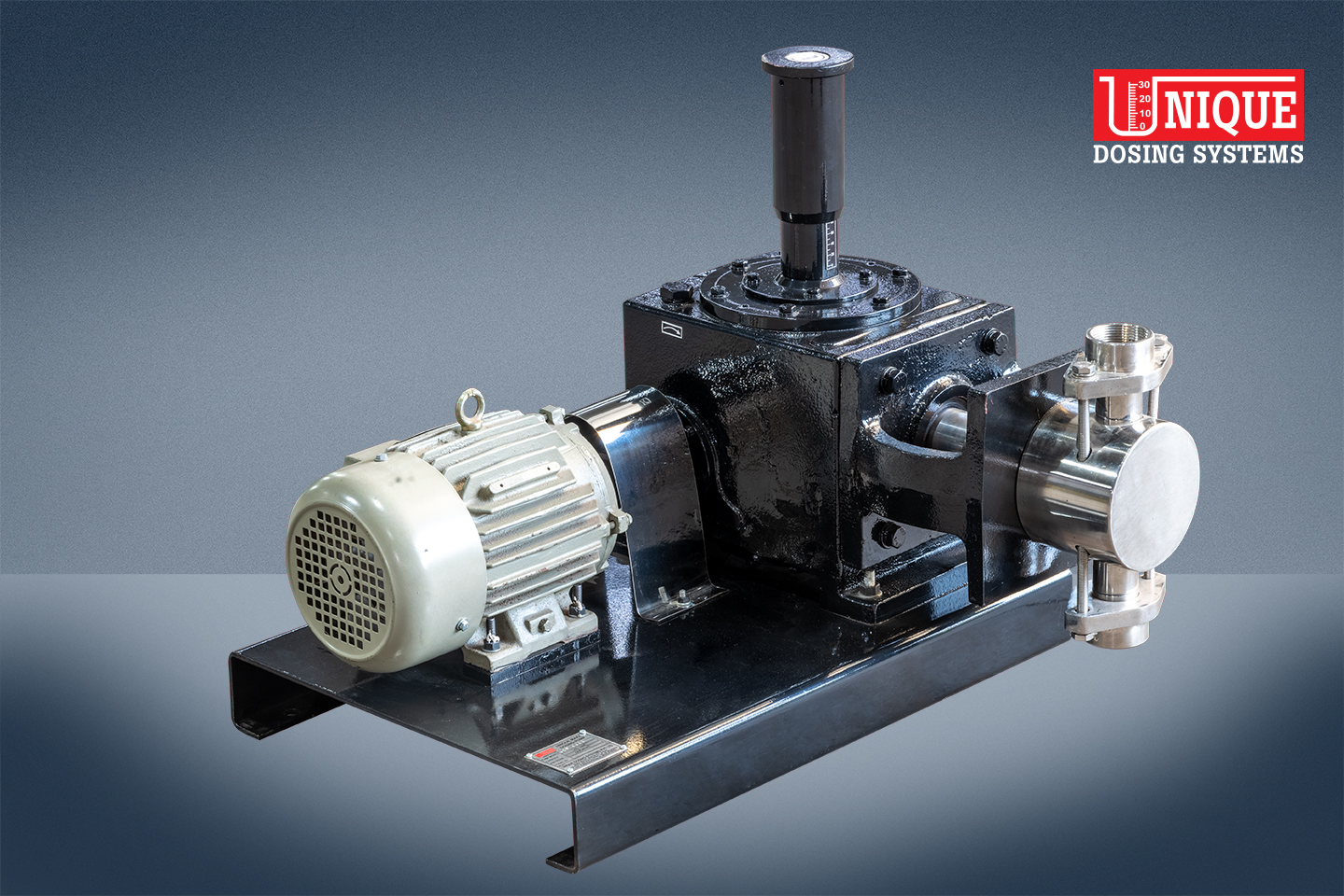
An auto controlled dosing pump is a specialized pump designed to deliver a predetermined quantity of liquid chemicals automatically according to process requirements.
Unlike conventional manually operated dosing pumps, automatic dosing pumps can receive control signals from instruments, sensors, process controllers, or automation systems.
These pumps help maintain the required chemical concentration and dosing rate without continuous manual adjustment.
- Automatic dosing pumps are commonly used for:
- Water and wastewater treatment
- Chemical processing industries
- Boiler water treatment
- Cooling tower water treatment
- Pharmaceutical manufacturing
- Food and beverage processing
- Industrial effluent treatment
Depending on the application, an automatic dosing pump may operate through a 4–20 mA signal, pulse input, batch control, or PLC-based automation.
How Does an Automatic Chemical Dosing Pump Work?
An automatic chemical dosing pump works by receiving a control signal or process input that determines the required chemical dosing rate.
The pump then adjusts its operation to deliver the appropriate quantity of chemical into the process.
A typical automatic dosing process involves the following steps:
Step 1: Chemical Storage
The chemical solution is stored in a suitable chemical storage tank. The tank material is selected according to the chemical properties and operating conditions.
Step 2: Dosing Pump Operation
The dosing pump draws the chemical from the storage tank and delivers it through the discharge line.
Step 3: Control Signal Input
The pump receives a signal from a process instrument, controller, or automation system.
For example, a 4–20 mA signal may represent a changing process requirement.
Step 4: Automatic Flow Adjustment
The pump adjusts its dosing rate according to the configured control method and operating range.
Step 5: Chemical Injection
The chemical is injected into the process line through an injection valve or suitable connection.
This process supports consistent chemical delivery and reduces the need for continuous manual adjustment.
Key Components of an Automatic Dosing Pump System
A complete automatic chemical dosing system may include several components working together to provide reliable chemical injection.
| Component | Function |
|---|---|
| Dosing Pump | Delivers controlled quantities of chemicals |
| Chemical Storage Tank | Stores the chemical solution |
| Control Panel | Provides operational control and monitoring |
| Flow Meter | Measures chemical flow where required |
| Level Switch | Monitors chemical tank levels |
| Injection Valve | Introduces chemical into the process |
| Back Pressure Valve | Helps maintain stable dosing conditions |
| Pressure Relief Valve | Provides protection against excessive pressure |
| Calibration Pot | Supports dosing flow verification |
| PLC or Controller | Enables automated process control |
The final system configuration depends on the application, chemical characteristics, required dosing capacity, and automation requirements.
Different Control Modes in Automatic Dosing Pumps
Automatic dosing pumps can operate through different control methods depending on the process requirements.
1. 4–20 mA Control
A 4–20 mA signal is commonly used in industrial automation.
The dosing pump adjusts its output according to the incoming analog signal from a process controller or instrument.
This control method is useful when the dosing rate needs to change continuously according to process conditions.
Typical applications include pH correction, chemical concentration control, and water treatment processes.
2. Pulse-Based Control
Pulse-based control allows the dosing pump to respond to digital pulse signals.
The pump may receive pulses from a flow meter or other compatible instrument and deliver a predetermined quantity of chemical per pulse.
This method is useful for applications requiring dosing proportional to water flow or another measured process variable.
3. Batch Dosing
Batch dosing involves delivering a predetermined quantity of chemical during a specific operation.
The required quantity is configured through the controller or dosing system.
Batch dosing is commonly used in chemical preparation, industrial treatment processes, and applications requiring controlled chemical quantities.
4. PLC-Based Automation
A programmable logic controller (PLC) can manage dosing pump operation according to programmed process conditions.
PLC-based systems can integrate multiple pumps, level switches, flow meters, pressure instruments, and other process equipment.
This arrangement is suitable for industrial plants requiring centralized monitoring and automated chemical dosing.
Benefits of Automatic Chemical Dosing Pumps
Automatic dosing pumps provide several advantages for industrial operations.
Improved Dosing Accuracy
Automatic control helps maintain the required chemical dosing rate according to process demand.
This can reduce dosing variations associated with manual adjustment.
Reduced Manual Intervention
Automated operation reduces the need for continuous operator involvement in routine dosing adjustments.
Consistent Process Performance
Maintaining controlled chemical delivery supports consistent treatment and process conditions.
Better Chemical Management
Accurate dosing can help reduce unnecessary chemical consumption and improve chemical handling efficiency.
Integration with Industrial Automation
Automatic dosing pumps can be integrated with compatible sensors, PLCs, and process control systems.
This enables coordinated operation with other industrial equipment.
Operational Monitoring
Depending on the system configuration, operators can monitor dosing operation, tank levels, alarms, and other relevant parameters.
Industrial Applications of Auto Controlled Dosing Pumps
Water Treatment Plants
Automatic dosing pumps are used for chemical injection in water treatment applications, including pH correction, disinfection, and treatment chemical dosing.
Wastewater Treatment Plants
These systems support controlled dosing of treatment chemicals used in coagulation, flocculation, and other wastewater treatment processes.
Power Generation
Power plants use chemical dosing equipment for applications such as boiler water treatment and cooling water management.
Chemical Manufacturing
Chemical processing facilities require controlled chemical injection for various production and process operations.
Pharmaceutical Industries
Pharmaceutical manufacturing may require accurate chemical metering and controlled dosing according to specific process requirements.
Food and Beverage Processing
Automatic dosing systems can support controlled chemical addition in compatible industrial processes, subject to the required materials and applicable standards.
How to Choose the Right Auto Controlled Dosing Pump Manufacturer
Selecting a suitable manufacturer is important for obtaining reliable equipment that meets your industrial requirements.
1. Evaluate Technical Experience
Choose a manufacturer with experience in dosing pumps, metering pumps, and automated chemical dosing systems.
2. Check Flow Rate and Pressure Requirements
The pump must deliver the required chemical flow rate at the actual operating pressure.
Review the technical datasheet before finalizing the equipment.
3. Verify Chemical Compatibility
Confirm that the pump head, diaphragm, seals, valves, and other wetted components are compatible with the chemical being handled.
4. Review Control Options
Determine whether your application requires 4–20 mA control, pulse-based dosing, batch operation, or PLC integration.
5. Consider System Customization
Industrial applications may require customized tank capacities, piping arrangements, control panels, and accessories.
Discuss these requirements with the manufacturer before purchasing.
6. Evaluate Technical Support
Consider the manufacturer's ability to provide technical documentation, application guidance, commissioning assistance, and maintenance support.
Important Technical Specifications to Consider
Before selecting an automatic chemical dosing pump, review the following specifications:
| Parameter | Description |
|---|---|
| Dosing Capacity | Required chemical flow rate |
| Discharge Pressure | Pressure against which the pump operates |
| Chemical Properties | Chemical name, concentration, viscosity, and temperature |
| Material of Construction | Materials suitable for chemical compatibility |
| Control Mode | Manual, analog, pulse, batch, or PLC-based |
| Motor Specifications | Power, voltage, frequency, and phase |
| Operating Conditions | Temperature, installation, and environmental requirements |
| Accessories | Valves, calibration pot, instruments, and piping |
| Automation | Required integration with process control systems |
A complete technical evaluation helps ensure that the selected dosing pump is suitable for the intended application.
Why Choose Unique Dosing Systems Pvt. Ltd.?
Unique Dosing Systems Pvt. Ltd. is an industrial dosing equipment company based in Nashik, Maharashtra, India.
The company offers a range of chemical dosing and metering solutions, including:
- Chemical Dosing Pumps
- Metering Pumps
- Diaphragm Type Dosing Pumps
- Hydraulic Diaphragm Pumps
- Plunger Type Dosing Pumps
- Chemical Dosing Systems
- Chemical Dosing Skids
- Industrial Dosing Solutions
With a focus on industrial chemical dosing requirements, Unique Dosing Systems provides solutions designed according to application needs and technical specifications.
Whether your requirement involves water treatment, chemical processing, or industrial manufacturing, selecting the appropriate dosing equipment begins with understanding your process requirements.
Frequently Asked Questions
What is an auto controlled dosing pump?
An auto controlled dosing pump is a chemical metering pump that adjusts its operation according to configured control signals or process requirements.
What is the difference between manual and automatic dosing pumps?
Manual dosing pumps generally require an operator to adjust the dosing rate. Automatic do
sing pumps can adjust their output according to compatible control signals or programmed operating conditions.
Which control methods are used in automatic dosing pumps?
Common control methods include 4–20 mA analog control, pulse-based control, batch dosing, and PLC-based automation.
Which industries use automatic chemical dosing pumps?
Automatic dosing pumps are used in water treatment, wastewater treatment, power generation, chemical processing, pharmaceutical manufacturing, and various industrial applications.
How do I select an automatic dosing pump?
Selection depends on chemical properties, required flow rate, operating pressure, material compatibility, dosing accuracy, control requirements, and operating conditions.
Conclusion
Automatic chemical dosing pumps play an important role in modern industrial processes by supporting controlled chemical injection, consistent dosing performance, and reduced manual intervention.
Choosing the right auto controlled dosing pump manufacturers requires evaluating technical expertise, dosing capacity, operating pressure, chemical compatibility, control options, and application requirements.
Unique Dosing Systems Pvt. Ltd. offers a range of chemical dosing pumps, metering pumps, and industrial dosing systems for various applications.
If you are looking for an automatic chemical dosing solution for your industrial process, contact Unique Dosing Systems to discuss your application requirements and explore suitable dosing equipment.
Visit Unique Dosing Systems Pvt. Ltd. to learn more about our chemical dosing solutions.