
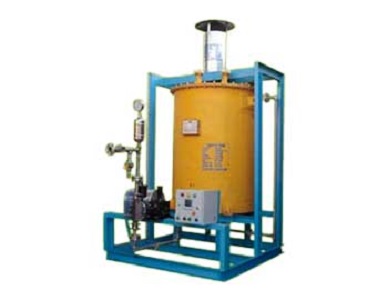
Chemical dosing systems play an important role in industries where accurate chemical injection is required for water treatment, wastewater management, chemical processing, power generation, and other industrial operations. To ensure consistent chemical delivery, industries often use integrated systems known as chemical dosing skids.
A properly planned Chemical Dosing Skid Design combines metering pumps, chemical storage tanks, pipelines, valves, instrumentation, and control panels into a single, compact package. This arrangement helps simplify installation, improve operational control, and support reliable chemical dosing.
However, designing an effective chemical dosing skid involves more than selecting a pump and connecting it to a storage tank. Engineers must consider chemical properties, required dosing capacity, operating pressure, material compatibility, safety requirements, and automation needs.
In this guide, we will explain the major components, design considerations, technical specifications, and selection factors involved in developing an industrial chemical dosing skid.
What Is a Chemical Dosing Skid?
A chemical dosing skid is a pre-engineered or custom-built package designed to store, transfer, measure, and inject chemicals into an industrial process at a controlled rate.
The equipment is generally mounted on a common structural base frame, with interconnected piping, valves, pumps, instruments, and electrical controls.
Depending on the application, a chemical dosing skid may be designed for a single chemical or multiple chemical injection points.
Common chemicals handled by dosing skids include:
- Acids and alkalis for pH correction
- Chlorine-based chemicals for disinfection
- Coagulants and flocculants for water treatment
- Corrosion inhibitors for industrial cooling systems
- Scale inhibitors for boiler and cooling water applications
- Biocides for microbial control
- Other process chemicals used in industrial manufacturing
The complete system is configured according to the chemical's properties and the process requirements.
How Does a Chemical Dosing Skid Work?
A chemical dosing skid works by delivering a controlled quantity of chemical from a storage or preparation tank into a process pipeline or treatment system.
The general operating sequence involves the following stages:
1. Chemical Storage: The chemical is stored in a compatible tank or container.
2. Suction Arrangement: Chemical flows from the storage tank through suction piping, isolation valves, and suitable strainers where required.
3. Chemical Metering: A dosing pump draws the chemical and delivers a controlled quantity at the required flow rate and pressure.
4. Pressure and Flow Control: Discharge-side accessories help protect the system, maintain suitable operating conditions, and monitor chemical delivery.
5. Chemical Injection: The chemical enters the process through an injection valve, injection quill, or designated injection connection.
6. Monitoring and Automation: Instruments and control panels monitor operating conditions and adjust dosing according to the selected control philosophy.
This integrated arrangement helps maintain controlled chemical injection across changing process conditions.
Essential Components of a Chemical Dosing Skid
The components of a chemical dosing skid depend on the application, chemical characteristics, required capacity, and operating pressure. However, most industrial systems include the following equipment.
1. Chemical Storage Tank
The storage tank holds the chemical solution before it is injected into the process.
Tank selection depends on:
- Chemical compatibility
- Required storage capacity
- Chemical concentration
- Operating temperature
- Installation environment
- Filling and maintenance requirements
Common tank materials include HDPE, polypropylene, FRP, and suitable grades of stainless steel. The correct material must be verified against the actual chemical and service conditions.
Depending on the application, tanks may include level indicators, level switches, filling connections, vents, overflow connections, drain points, and access openings.
2. Dosing or Metering Pump
The metering pump is one of the most important components of a chemical dosing skid. It delivers the required chemical quantity at a controlled flow rate and discharge pressure.
Common pump types include:
- Mechanical diaphragm dosing pumps
- Hydraulic diaphragm dosing pumps
- Plunger-type dosing pumps
- Solenoid-operated dosing pumps
Pump selection depends on required capacity, operating pressure, chemical properties, dosing accuracy, and control requirements.
For reliable performance, the pump must be selected based on its actual flow capability at the required discharge pressure rather than its maximum rated capacity alone.
3. Suction Piping and Strainer
The suction assembly connects the chemical storage tank to the dosing pump.
It may include:
- Suction isolation valve
- Foot valve, where required
- Suction strainer or filter
- Suction piping
- Drain and flushing connections, where required
Proper suction piping design helps prevent blockages, air entry, and unnecessary pressure losses.
4. Discharge Piping and Valves
The discharge assembly transfers the metered chemical from the pump to the injection point.
Depending on the system, it may include:
- Discharge isolation valve
- Non-return or check valve
- Back-pressure valve
- Pressure relief valve
- Pressure gauge
- Pulsation dampener
- Injection valve or injection quill
A pressure relief arrangement is particularly important for positive displacement pumps because excessive discharge pressure can damage piping and equipment. Relief discharge should be routed to a suitable safe destination, often the chemical tank, according to the approved design.
5. Calibration Column
A calibration column is used to verify the actual chemical delivery rate of a dosing pump.
It allows operators to measure the volume delivered over a known period and compare it with the required dosing rate.
Calibration helps identify variations caused by operating pressure, pump settings, valve conditions, or wear.
6. Pulsation Dampener
Reciprocating metering pumps produce pulsating flow. A pulsation dampener helps reduce these flow fluctuations in the discharge pipeline.
It can help improve flow stability, reduce vibration, and support reliable instrument readings.
Its requirement and sizing depend on pump type, flow rate, pipeline arrangement, and system operating conditions.
7. Instrumentation and Monitoring Devices
Instrumentation helps operators monitor the condition and performance of the dosing skid.
Common instruments include:
- Pressure gauges and pressure transmitters
- Flow meters
- Level indicators and level switches
- Flow switches
- pH and ORP analysers, where required
- Leak detection sensors, where required
The selected instruments should match the required monitoring and control philosophy.
8. Control Panel and Automation System
The control panel provides electrical operation and monitoring of the dosing skid.
Depending on the application, it may support:
- Manual pump operation
- Automatic dosing control
- Variable frequency drive control, where applicable
- 4–20 mA signal input
- Pulse-based dosing
- PLC integration
- Alarm and fault indication
- Low-level pump shutdown
- Duty and standby pump changeover
Automation requirements should be defined during the initial engineering stage to ensure compatibility with the main plant control system.
9. Structural Skid Frame and Containment
The structural frame supports the tanks, pumps, piping, valves, and other equipment.
It should provide adequate strength, equipment accessibility, and suitable lifting and installation arrangements.
A containment tray or bund may also be required to collect accidental chemical spills. Its design should consider the chemical hazard, applicable regulations, drainage arrangements, and site safety requirements.
Important Design Considerations for a Chemical Dosing Skid
A successful Chemical Dosing Skid Design starts with accurate process information. The following factors should be evaluated before equipment selection.
1. Chemical Properties and Compatibility
The chemical being handled determines the material selection for tanks, pump heads, diaphragms, seals, valves, and piping.
Important properties include:
- Chemical concentration
- Density and specific gravity
- Viscosity
- Operating temperature
- Corrosiveness
- Compatibility with elastomers and metals
For example, a material suitable for one acid may not be suitable for another chemical or concentration.
Always verify material compatibility with the equipment manufacturer's chemical compatibility data.
2. Required Dosing Capacity
The dosing pump must deliver the required quantity of chemical under actual operating conditions.
Pump capacity is generally specified in litres per hour (LPH).
For a simplified application where dosage is expressed as active chemical concentration in mg/L and process flow is expressed in m³/h, the required active chemical mass rate is:
Active Chemical Requirement (g/h) = Dosage (mg/L) × Process Flow (m³/h)
The required solution feed rate can then be calculated as:
Chemical Solution Feed Rate (LPH) = Active Chemical Requirement (g/h) ÷ Solution Concentration (g/L)
For example, if a process requires 5 mg/L of active chemical at a flow rate of 100 m³/h, the active chemical requirement is:
5 × 100 = 500 g/h
If the prepared solution contains 10 g/L of active chemical:
500 ÷ 10 = 50 LPH
The required solution feed rate is therefore 50 LPH.
This simplified calculation assumes compatible concentration units and a known active chemical concentration. Actual pump selection must also consider the minimum and maximum process flow, dosing variation, and manufacturer's performance data.
3. Operating and Discharge Pressure
The dosing pump must generate enough pressure to overcome the resistance between the pump and the injection point.
Pressure calculations should consider:
- Main pipeline pressure
- Static head difference
- Friction losses in piping
- Pressure losses through valves and fittings
- Injection valve requirements
The selected pump must deliver the required flow at the actual discharge pressure.
4. Tank Capacity and Chemical Consumption
Storage tank capacity should be based on chemical consumption, required operating hours, replenishment frequency, and available installation space.
A basic calculation is:
Required Working Volume = Chemical Consumption per Day × Required Storage Days
The final tank size should also account for usable volume, freeboard, minimum operating level, and any dilution or preparation requirements.
5. Pump Configuration: Duty and Standby
Industrial dosing skids may use different pump arrangements depending on the importance of continuous operation.
Common configurations include:
- Single operating pump
- One duty and one standby pump
- Multiple pumps for separate injection points
- Duty and assist arrangements for varying demand
For critical processes, a duty/standby configuration can provide operational backup when the primary pump requires maintenance.
6. Piping and Instrumentation Design
Piping and instrumentation diagrams (P&IDs) define how the skid components are connected and operated.
A P&ID should identify:
- Pumps and tanks
- Suction and discharge pipelines
- Isolation and control valves
- Pressure relief arrangements
- Instruments and measurement points
- Chemical injection connections
- Drain, vent, and flushing arrangements
- Control and alarm interfaces
Proper P&ID development helps reduce design gaps during fabrication, installation, and commissioning.
7. Safety and Environmental Requirements
Chemical dosing systems must be designed with appropriate safety measures.
Consider:
- Chemical-specific personal protective equipment
- Spill containment and bunding
- Safe tank filling arrangements
- Ventilation and chemical vapour management
- Emergency isolation
- Pressure relief and overpressure protection
- Leak detection, where required
- Safe access for operation and maintenance
- Chemical storage and handling regulations
Safety requirements should be established using the chemical safety data sheet (SDS), applicable standards, and site-specific risk assessments.
Technical Specifications of a Chemical Dosing Skid
Before requesting a quotation or preparing a technical specification, define the following information.
| Specification | Details to Be Defined |
|---|---|
| Chemical name | Chemical being handled |
| Chemical concentration | Active concentration or solution strength |
| Application | Water treatment, wastewater, boiler, cooling, or process dosing |
| Process flow rate | Minimum, normal, and maximum flow |
| Dosing capacity | Required LPH range |
| Operating pressure | Normal and maximum discharge pressure |
| Pump type | Diaphragm, plunger, or other suitable design |
| Tank capacity | Required working and storage volume |
| Tank material | Compatible material based on chemical properties |
| Piping material | Material suitable for chemical and pressure conditions |
| Control system | Manual, automatic, PLC, or plant integration |
| Instrumentation | Pressure, flow, level, and other required instruments |
| Pump arrangement | Single, duty/standby, or multiple pumps |
| Safety provisions | Relief, containment, leak detection, and isolation |
| Documentation | P&ID, datasheets, layout, wiring, and operating manuals |
The final specification should be reviewed by qualified engineering personnel and confirmed against the applicable project standards.
Applications of Chemical Dosing Skids
Chemical dosing skids are used in a wide range of industrial applications.
1. Water Treatment Plants
Used for injecting coagulants, disinfectants, pH correction chemicals, and other water treatment chemicals.
2. Wastewater Treatment Plants
Used for dosing chemicals that support coagulation, flocculation, pH adjustment, and sludge treatment processes.
3. Boiler Water Treatment
Used for controlled injection of oxygen scavengers, scale inhibitors, and other boiler water treatment chemicals.
4. Cooling Water Systems
Used for dosing corrosion inhibitors, scale inhibitors, and biocides to help maintain cooling system performance.
5. Chemical Processing Industries
Used for accurate chemical injection into industrial production processes where controlled chemical feed is necessary.
6. Oil and Gas Industries
Used for injecting corrosion inhibitors, scale inhibitors, and other process chemicals into pipelines and production systems.
Benefits of a Properly Designed Chemical Dosing Skid
A well-engineered dosing skid offers several operational benefits:
Compact Equipment Arrangement: Multiple components are integrated onto a common frame.
Simplified Installation: Factory assembly can reduce the amount of field piping and wiring work.
Improved Dosing Control: Metering pumps and suitable instrumentation support controlled chemical delivery.
Better Maintenance Access: A planned equipment layout helps operators inspect and service components.
Operational Reliability: Appropriate pump arrangements and protective devices help support continuous operation.
Reduced Installation Complexity: Pre-assembled packages can simplify site integration and commissioning.
The actual benefits depend on the level of prefabrication, quality of engineering, and site installation conditions.
Common Mistakes to Avoid During Chemical Dosing Skid Design
Several design mistakes can affect system performance, safety, and maintenance.
Incorrect Pump Sizing: Selecting a pump without considering actual flow and discharge pressure can result in inadequate dosing.
Wrong Material Selection: Incompatible tank, piping, or seal materials may lead to corrosion and leakage.
Insufficient Safety Protection: Missing relief arrangements or unsuitable containment can increase operational risks.
Poor Piping Layout: Excessive suction losses and inaccessible valves can create operational problems.
Ignoring Calibration: Without suitable calibration provisions, it becomes difficult to verify actual chemical delivery.
Inadequate Control Planning: A control panel that does not match process requirements may limit automation and monitoring.
Poor Maintenance Access: A crowded skid layout can make inspection and component replacement difficult.
Avoiding these issues during the design stage can improve long-term system performance.
Chemical Dosing Skid Selection Checklist
Before finalising a chemical dosing skid, review the following points:
- Chemical identity and concentration are confirmed.
- Chemical compatibility of all wetted materials is verified.
- Required minimum, normal, and maximum dosing rates are calculated.
- Pump flow and pressure ratings are checked together.
- Tank capacity and chemical consumption requirements are established.
- Duty and standby pump requirements are defined.
- Suction and discharge piping arrangements are reviewed.
- Pressure relief and back-pressure provisions are evaluated.
- Calibration and monitoring instruments are specified.
- Control panel and automation requirements are documented.
- Spill containment and chemical safety measures are included.
- P&ID, layout drawings, datasheets, and operating documentation are reviewed.
Conclusion
An effective Chemical Dosing Skid Design requires the integration of process engineering, pump selection, chemical compatibility, piping, instrumentation, automation, and safety considerations.
From selecting the correct metering pump and storage tank to specifying valves, calibration columns, control panels, and containment systems, every component must match the actual application requirements.
A properly designed chemical dosing skid helps maintain accurate chemical injection, simplifies installation, improves maintenance access, and supports reliable industrial operations.
Before selecting a dosing skid, clearly define the chemical properties, required LPH, operating pressure, storage capacity, control philosophy, and safety requirements. A well-prepared design basis makes it easier to select a system that meets both present operating needs and future process requirements.
Frequently Asked Questions (FAQs)
1. What is a chemical dosing skid?
A chemical dosing skid is an integrated package containing equipment such as chemical storage tanks, metering pumps, piping, valves, instruments, and control panels for controlled chemical injection into an industrial process.
2. What are the main components of a chemical dosing skid?
The main components generally include a chemical storage tank, metering pump, suction and discharge piping, isolation valves, pressure relief valve, calibration column, pressure gauge, instrumentation, control panel, and structural skid frame.
3. How do I calculate the capacity of a chemical dosing skid?
Capacity is determined by the required chemical dosage, process flow rate, and chemical solution concentration. The calculated chemical feed rate is generally expressed in litres per hour (LPH).
4. Which pump is used in a chemical dosing skid?
Common options include mechanical diaphragm, hydraulic diaphragm, plunger, and solenoid-operated dosing pumps. The selection depends on required flow, discharge pressure, chemical compatibility, and control requirements.
5. Why is a calibration column used in a dosing skid?
A calibration column helps measure the actual pump delivery rate over a known period. It allows operators to verify and adjust dosing performance.
6. What is the purpose of a pulsation dampener?
A pulsation dampener helps reduce flow and pressure fluctuations caused by reciprocating metering pumps. It can improve discharge stability and support reliable system operation.
7. What information is required to design a chemical dosing skid?
Important information includes chemical name and concentration, process flow rate, required dosage, pump capacity, operating pressure, storage requirements, material compatibility, control philosophy, and safety requirements.