
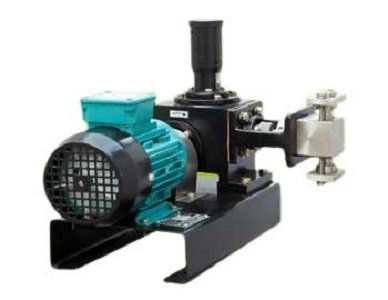
Selecting the right dosing pump is an important decision for industries that require accurate chemical injection and controlled fluid delivery. Whether it is a water treatment plant, chemical processing facility, pharmaceutical unit, or oil and gas industry, the right pump helps maintain process efficiency, dosing accuracy, and operational safety.
Among the commonly used industrial metering pumps, diaphragm and plunger dosing pumps are two popular choices. Both are designed to deliver controlled quantities of liquid, but they differ in their working mechanisms, sealing arrangements, pressure capabilities, maintenance requirements, and applications.
Understanding the difference between a Diaphragm vs. Plunger Dosing Pump can help you choose the right equipment according to your industrial requirements.
In this guide, we will explain how both pump types work, compare their advantages and limitations, and discuss which option is suitable for different applications.
What Is a Diaphragm Dosing Pump?
A diaphragm dosing pump is a positive displacement pump that uses a flexible diaphragm to move liquid from the suction side to the discharge side.
The diaphragm moves back and forth inside the pump head, creating a change in chamber volume. During the suction stroke, liquid enters the pump through the inlet valve. During the discharge stroke, the diaphragm pushes the liquid through the outlet valve into the delivery pipeline.
One of the main features of this design is that the diaphragm separates the pumped chemical from the drive mechanism.
How Does a Diaphragm Dosing Pump Work?
The working process generally involves two stages:
Suction Stroke: The diaphragm moves backward, increasing the chamber volume and drawing liquid through the suction valve.
Discharge Stroke: The diaphragm moves forward, reducing the chamber volume and forcing the liquid through the discharge valve.
The pump's delivery rate can generally be adjusted by changing the stroke length, stroke frequency, or motor speed, depending on the model.
Advantages of Diaphragm Dosing Pumps
Reduced Leakage Risk: The diaphragm separates the process chemical from the drive mechanism, reducing the possibility of leakage through a dynamic shaft seal.
Chemical Compatibility: Suitable wetted materials can be selected for handling many corrosive and aggressive chemicals.
Accurate Dosing: Designed for controlled and repeatable chemical injection when correctly selected, installed, and calibrated.
Lower Chemical Exposure: The separated pumping arrangement helps protect the surrounding equipment and operating environment.
Flexible Control Options: Depending on the model, pumps can support manual adjustment, pulse control, 4–20 mA signals, and automated dosing.
Limitations of Diaphragm Dosing Pumps
- Diaphragms require periodic inspection and replacement.
- Suction and discharge check valves can become blocked or fouled.
- Flow pulsation may require additional accessories in certain applications.
- Mechanical diaphragm models may have pressure limitations compared with specialised plunger pumps.
- Incorrect chemical compatibility or operating conditions can damage the diaphragm.
What Is a Plunger Dosing Pump?
A plunger dosing pump is a positive displacement pump that uses a reciprocating plunger to move and deliver a controlled volume of liquid.
The plunger moves forward and backward inside the pump head. During the suction stroke, liquid enters the chamber through the inlet valve. During the discharge stroke, the plunger moves forward and pushes the liquid through the discharge valve.
Unlike a diaphragm pump, the plunger directly displaces the pumped liquid. A packing or sealing arrangement is used around the moving plunger to control leakage.
Plunger dosing pumps are commonly considered for applications that require high discharge pressure and controlled liquid delivery.
How Does a Plunger Dosing Pump Work?
The working mechanism involves two main stages:
Suction Stroke: The plunger moves backward, creating additional space inside the pumping chamber and allowing liquid to enter through the suction valve.
Discharge Stroke: The plunger moves forward, reducing the chamber volume and forcing the liquid into the discharge pipeline.
The delivered flow can be adjusted through the pump's stroke length, stroke frequency, or drive speed, depending on its design.
Advantages of Plunger Dosing Pumps
High-Pressure Capability: Suitable designs can handle demanding high-pressure applications.
Controlled Liquid Delivery: Provides controlled displacement for metering applications.
Industrial Applications: Used in chemical processing, oil and gas, and other high-pressure processes.
Robust Construction: Designed for demanding operating conditions when correctly specified.
Adjustable Capacity: Flow delivery can be controlled according to the pump's operating mechanism.
Limitations of Plunger Dosing Pumps
- The plunger sealing arrangement is in contact with the pumped liquid.
- Packing and seals experience wear and require periodic maintenance.
- Leakage may occur if seals become damaged or worn.
- Not generally the preferred option for highly hazardous chemicals where eliminating dynamic process-fluid seals is a priority.
- Abrasive or particulate-containing liquids can accelerate wear unless the pump is specifically designed for those conditions.
Diaphragm vs. Plunger Dosing Pump: Key Differences
Although both pumps operate on the positive displacement principle, their construction and operating characteristics are different.
| Comparison Factor | Diaphragm Dosing Pump | Plunger Dosing Pump |
|---|---|---|
| Working mechanism | Flexible diaphragm | Reciprocating plunger |
| Fluid displacement | Through diaphragm movement | Through direct plunger movement |
| Sealing arrangement | Diaphragm separates chemical from drive | Packing or seals around plunger |
| Leakage risk | Generally lower through the drive side | Requires attention to packing and seal leakage |
| Pressure capability | Depends on mechanical or hydraulic design | Commonly selected for high-pressure duties |
| Chemical handling | Suitable wetted materials support aggressive chemicals | Depends on plunger, seal, and wetted material compatibility |
| Maintenance | Diaphragm and valve inspection | Packing, seals, plunger, and valve inspection |
| Common applications | Water treatment and chemical dosing | High-pressure chemical injection and industrial metering |
Important: These are general design differences, not universal performance limits. Actual flow, pressure, accuracy, and service life depend on the specific pump model and operating conditions. Hydraulically actuated diaphragm pumps can also handle high-pressure applications.
Diaphragm vs. Plunger Dosing Pump: Which Is Better for Your Application?
There is no single pump type that is best for every industrial application. The correct selection depends on chemical properties, required flow rate, discharge pressure, safety requirements, and operating conditions.
1. Water Treatment Plants
Water treatment facilities commonly use dosing pumps for injecting chlorine, coagulants, pH correction chemicals, and other treatment chemicals.
Recommended consideration: Diaphragm dosing pumps are commonly preferred because their separated fluid-handling arrangement helps reduce leakage risk when handling treatment chemicals.
2. Chemical Processing Industries
Chemical processing plants handle different types of liquids, including acids, alkalis, solvents, and other industrial chemicals.
Recommended consideration: Diaphragm pumps can be suitable for corrosive or hazardous chemicals when compatible wetted materials are selected. Plunger pumps may also be considered for compatible fluids where pressure requirements are higher.
3. Oil and Gas Industries
Oil and gas applications may require chemical injection against high pipeline or wellhead pressures.
Recommended consideration: Plunger dosing pumps are often considered for high-pressure injection duties. Hydraulically actuated diaphragm pumps may also be suitable when fluid isolation is important.
4. Boiler and Cooling Water Systems
Boiler and cooling water systems require controlled chemical injection to manage scale, corrosion, and water quality.
Recommended consideration: Diaphragm dosing pumps are widely used for applications involving controlled chemical feed at suitable operating pressures.
5. High-Pressure Industrial Applications
Some industrial processes require chemical injection at significantly higher pressures than standard dosing applications.
Recommended consideration: Plunger dosing pumps are suitable candidates for many high-pressure duties. However, hydraulically actuated diaphragm designs should also be evaluated where process-fluid isolation is required.
Important Factors to Consider Before Selecting a Dosing Pump
Before choosing between a diaphragm and plunger dosing pump, evaluate the following technical requirements.
1. Required Flow Rate
Determine the quantity of chemical that must be delivered per hour. Pump capacity is commonly measured in litres per hour (LPH).
Consider the minimum, normal, and maximum dosing requirements rather than selecting a pump based only on its maximum rated capacity.
2. Operating Pressure
Identify the pressure at the chemical injection point and account for pipeline losses, elevation differences, and valve resistance.
The selected pump must deliver the required flow rate at the actual operating pressure.
3. Chemical Compatibility
Check the chemical's concentration, temperature, viscosity, and corrosiveness.
The diaphragm, pump head, valves, plunger, and sealing materials must be compatible with the chemical being handled.
4. Dosing Accuracy
Consider the required dosing accuracy and repeatability. Applications involving precise chemical injection may require calibration, suitable flow controls, and stable operating conditions.
5. Maintenance Requirements
Evaluate the availability and replacement cost of diaphragms, packing, seals, valves, and other consumable components.
A pump with suitable maintenance intervals can help reduce unexpected downtime.
6. Automation and Control
Modern industrial dosing systems may require automatic control through PLCs, flow meters, or process instruments.
Depending on the pump model, available control options may include:
- Manual stroke adjustment
- Automatic stroke control
- 4–20 mA input
- Pulse-based dosing
- Batch dosing
- PLC integration
Select a pump that supports the control method required by your process.
Common Mistakes to Avoid When Selecting a Dosing Pump
Choosing a pump without evaluating the complete application can lead to poor performance and unnecessary maintenance.
Here are some common mistakes to avoid:
Ignoring Operating Pressure: Selecting a pump based only on its LPH rating can result in insufficient delivery at the required pressure.
Overlooking Chemical Compatibility: Incorrect material selection can damage pump components.
Ignoring Leakage Requirements: The sealing arrangement should match the chemical hazard and safety requirements.
Choosing Based Only on Initial Cost: Consider maintenance, spare parts, energy consumption, and expected service life.
Ignoring Installation Conditions: Incorrect suction and discharge arrangements can affect pump performance.
Not Checking Manufacturer Specifications: Always review the pump's performance curve, pressure rating, and operating limits before purchasing.
Conclusion
Choosing between a diaphragm and plunger dosing pump depends on your application's specific requirements. Diaphragm pumps offer a fluid-isolating design and are widely used for chemical dosing in water treatment and industrial processes. Plunger pumps are often considered for applications requiring high discharge pressure and controlled liquid delivery.
When comparing a Diaphragm vs. Plunger Dosing Pump, consider chemical compatibility, operating pressure, required flow rate, dosing accuracy, leakage risk, and maintenance requirements.
The right pump is not necessarily the one with the highest capacity or pressure rating. It is the one that meets your process requirements safely, accurately, and reliably.
Frequently Asked Questions (FAQs)
1. What is the main difference between diaphragm and plunger dosing pumps?
A diaphragm dosing pump uses a flexible membrane to displace liquid, separating the chemical from the drive mechanism. A plunger dosing pump uses a reciprocating plunger that directly displaces the liquid and requires a sealing arrangement around the moving plunger.
2. Which dosing pump is better for corrosive chemicals?
Diaphragm dosing pumps are often preferred for corrosive chemicals because the diaphragm separates the process liquid from the drive mechanism. However, all wetted materials must be checked for chemical compatibility.
3. Are plunger dosing pumps suitable for high-pressure applications?
Yes. Plunger dosing pumps are commonly used in high-pressure metering and chemical injection applications. The maximum operating pressure depends on the specific pump design and manufacturer specifications.
4. Can diaphragm dosing pumps handle high pressure?
Yes. While mechanical diaphragm pumps may have lower pressure limits, hydraulically actuated diaphragm pumps are available for demanding high-pressure applications.
5. Which pump requires more maintenance?
Maintenance requirements depend on the pump design and operating conditions. Diaphragm pumps require inspection of the diaphragm and check valves, while plunger pumps require attention to packing, seals, and the plunger surface.
6. How do I choose between a diaphragm and plunger dosing pump?
Evaluate the chemical being handled, required flow rate, operating pressure, leakage requirements, dosing accuracy, control system, and maintenance conditions. Compare manufacturer specifications before making the final selection.