What Are Metering Pumps?
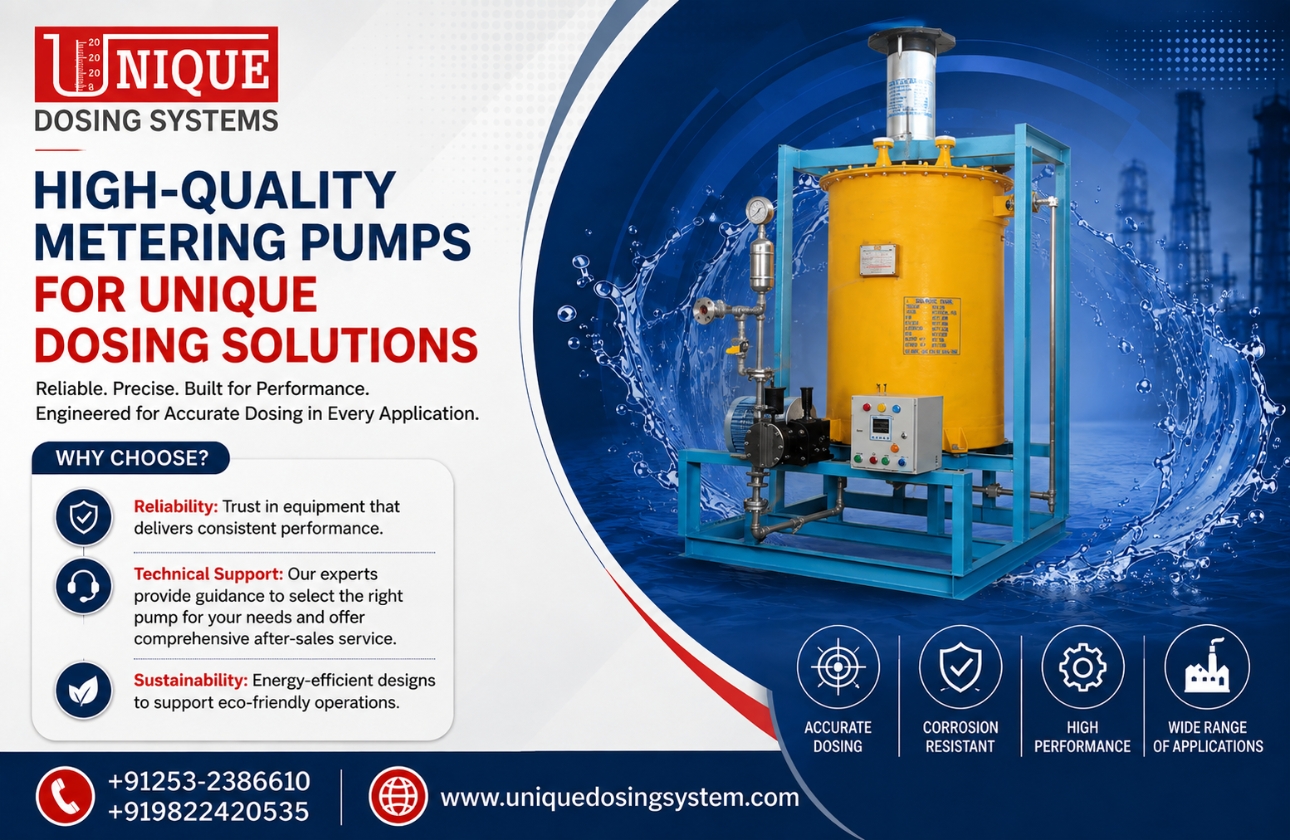
Metering pumps, also known as dosing pumps, are fluid control devices, meticulously designed to move precise volumes of liquid consistently over time. These pumps are indispensable in various industries, from food production to chemical processing. The primary function is to ensure that exact amounts of liquid are dispensed into a system, maintaining accuracy and efficiency. The precision of metering pumps makes them crucial tools in scenarios where both safety and exact formulation matter. Essentially, whenever there's a need for controlled fluid dosing, metering pumps step up to the task. You can find these pumps being used not just in large industrial settings but also in smaller, more personal setups, such as swimming pool maintenance and medical applications. To delve deeper into their workings, plenty of comprehensive resources, such as guides on understanding metering pumps are available.
How Do Metering Pumps Work?
Understanding the functionality of metering pumps is essential for their optimal use. These pumps operate based on a reciprocating mechanism, where a piston or diaphragm moves back and forth within a chamber. This movement allows the pump to draw in a specific volume of fluid during the suction stroke, and then discharge that exact volume during the discharge stroke. Key components like check valves ensure the fluid flows uniformly in one direction. This precision is what makes metering pumps reliable for industrial applications, as they guarantee that exactly the same amount of fluid is transferred every time. For those interested in exploring this in more technical detail, resources like guides to dosing systems offer insights.
Applications of Metering Pumps
The diverse applications of metering pumps are a testament to their versatility and essential role in many industries. In the water treatment industry, they are commonly used to introduce chemicals into the water to control pH levels or sanitize it. In agriculture, metering pumps are used for fertilizer and pesticide distribution, ensuring that plants receive nutrients in precise amounts. The pharmaceutical and food industries also heavily rely on these pumps for their ability to deliver exact dosages, which is crucial for maintaining safety and compliance. Moreover, they are a key component in chemical industries, helping to regulate reactions by providing exact quantities of reactants. This wide range of uses highlights the indispensable nature of metering pumps in modern industry.
Types of Metering Pumps
Various types of metering pumps cater to different needs, each with its unique operating method. Diaphragm pumps use a diaphragm's motion within a chamber to create displacement, suitable for handling a wide variety of fluids. Gear pumps, another type, use the rotation of gears to pump fluid, making them ideal for high-pressure applications. Peristaltic pumps, which use rollers to squeeze a flexible tube to move the product, are often used in the food and beverage industries. There are many more pump types, each with specific applications. It's crucial to choose the appropriate type of metering pump based on the fluid properties and desired outcome.
Choosing the Right Metering Pump
Selecting the correct metering pump is crucial for effectiveness and longevity in any application. Factors like fluid viscosity, temperature, and the required flow rate need careful consideration. Additionally, the pump material must be compatible with the fluid being handled to prevent corrosion or degradation. It's also vital to assess the environment in which the pump will operate. Outdoor applications may require pumps with additional weather protection. Getting it right ensures efficiency and safety. For more detailed guidance on this process, you can refer to guides that discuss metering pumps.
Maintenance and Troubleshooting
Regular maintenance of metering pumps is essential to sustain their performance and prevent unexpected downtime. This involves routine checks of the hoses, valves, and seals for any signs of wear or leaks. Regular calibration ensures the precision that metering pumps are known for. Troubleshooting common problems, such as blockages or air locks, often involves simple fixes like cleaning or replacing worn parts. A consistent maintenance routine not only prolongs the life of the pump but also safeguards the process it's facilitating. Tips and tricks for upkeep can be found in many maintenance-focused articles.
Frequently Asked Questions
1. What are the main components of a metering pump?
Answer: The main parts typically include a motor, a control system, valves, and a pumping diaphragm or piston. These components work together to move and manage fluids with precision.
2. How do I determine which metering pump is suitable for my needs?
Answer: Consider factors such as the type of fluid, required flow rate, operating pressure, and chemical compatibility when choosing a metering pump. Consulting detailed guides on understanding metering pumps can be helpful.
3. Why are metering pumps crucial in industrial applications?
Answer: They provide consistent and precise fluid dosages, essential for maintaining product quality and safety, especially in sensitive processes like pharmaceutical and chemical manufacturing.
4. Can metering pumps handle all types of fluids?
Answer: Most pumps can handle a variety, but the specific type should be selected depending on fluid viscosity, chemical properties, and the application's specific requirements.
5. What is the typical lifespan of a metering pump?
Answer: With proper maintenance, a high-quality metering pump can last several years. However, the lifespan depends on factors like usage frequency, chemical compatibility, and operating conditions.