What are Dosing Systems?
Dosing systems are essential tools in industries where precise measurements of fluids are needed. They help regulate the amount of liquid or chemical delivered to a process or equipment. This precision is crucial in processes like water treatment, chemical manufacturing, and pharmaceuticals. By automating fluid delivery, dosing systems improve efficiency and reduce the need for human intervention. Essentially, they ensure that the right amount of a product is used every time, leading to consistent product quality and safety improvements.
The Importance of Dosing Systems
The role of dosing systems in industry is vital. They allow for the precise control of chemical substances, in turn protecting equipment from damage and ensuring environmental safety. With the ability to handle various fluids, these systems can be tailored for specific needs, whether it is handling aggressive chemicals or delicate pharmaceuticals. This adaptability makes them an invaluable part of modern industrial processes. Additionally, they support sustainability by minimizing waste and ensuring only necessary quantities are used.
Components of a Dosing System
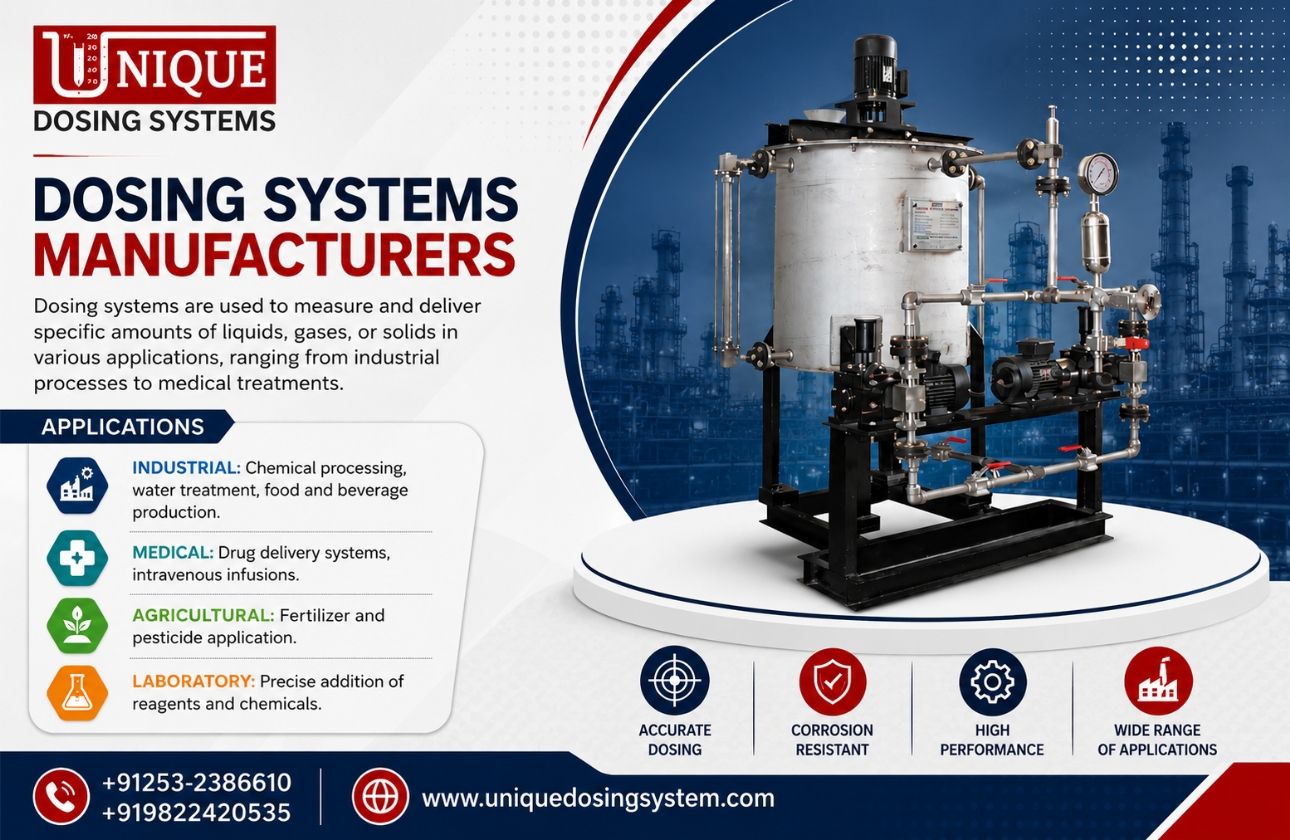
A typical dosing system comprises several key components: a pump, control valves, and monitoring devices. The pump is the heart of the system, responsible for moving the liquid through the system to where it is needed. Control valves regulate the flow of liquid, ensuring that it reaches its destination at precisely the right rate. Monitoring devices provide real-time feedback, allowing operators to adjust settings as needed. Together, these components work seamlessly to deliver precise dosages.
Types of Dosing Systems
There are various types of dosing systems available, each designed for specific applications. Some of the most common types include metering pumps, proportional dosing systems, and batch dosing systems. Metering pumps deliver a set amount of liquid with each operation, making them ideal for continuous processes. Proportional dosing systems adjust the dosage rate according to a signal, which is useful for variable processes. Meanwhile, batch dosing systems are used in processes where exact amounts must be added at specific times.
Applications of Dosing Systems
Dosing systems find applications in numerous industries, from water treatment to food and beverage production. In water treatment, they help maintain chemical balance by adding the right amount of chlorine and other chemicals. In the food industry, they ensure the consistency and quality of products by accurately distributing ingredients. They are also crucial in the chemical processing industry where precision and safety are paramount. This versatility makes dosing systems a key feature across many sectors.
Advantages of Using Dosing Systems
Dosing systems offer several advantages, including accuracy, efficiency, and safety. By precisely controlling the amount of liquid added to a process, manufacturers can improve product quality and reduce costs. The automation of these systems minimizes human error, increases production speed, and leads to more consistent outputs. Additionally, dosing systems enhance workplace safety by limiting the need for workers to handle harmful chemicals directly.
Challenges in Implementing Dosing Systems
Despite their benefits, implementing dosing systems can present challenges. They require careful calibration and maintenance to function correctly. The initial setup can be costly, as operators must understand the system to maximize its potential. Selecting the right system for a specific application is also critical and can be complex given the various choices. Ensuring compatibility with existing processes and infrastructure is another hurdle businesses may face.
Future Trends in Dosing Systems
The future of dosing systems is being shaped by technological advances that are enhancing their capabilities. Innovations in digitalization and automation are making these systems more intelligent and adaptable. Smart dosing systems that integrate with a company's digital infrastructure can provide real-time data analytics and predictive maintenance, which helps in further optimizing chemical usage and reducing operational costs. With the rise of the Internet of Things (IoT), more connected systems promise greater efficiency and easier monitoring and control.
Frequently Asked Questions
1. What industries primarily use dosing systems?
Answer: Dosing systems are used in a wide range of industries including water treatment, pharmaceuticals, food and beverage production, and chemical processing. They are essential wherever precise fluid handling is needed.
2. How do dosing systems improve operational efficiency?
Answer: By automating the delivery of fluids, dosing systems reduce manual labor and human error. They ensure precise amounts are added to a process, which saves time and leads to consistent and high-quality outputs.
3. What are the key components of a dosing system?
Answer: The main components of a dosing system include the pump, control valves, and monitoring devices. The pump moves the liquid, control valves manage flow, and monitoring devices provide data for adjustments.
4. Are there any disadvantages to using dosing systems?
Answer: The primary disadvantages include the initial cost of setup and the need for ongoing maintenance and calibration. It requires skilled personnel to manage these systems effectively. Compatibility with existing infrastructure can also be challenging.
5. What future trends are expected in dosing systems?
Answer: Future trends include more integration with digital technologies, IoT, and smart systems that provide real-time data analytics and improved system adaptability. These advances aim to further enhance precision and efficiency in fluid management.
For further reading, consider checking out some expert resources such as this friendly guide to understanding dosing systems or explore details about a comprehensive exploration of dosing systems.