Industrial processes often require large volumes of chemicals to be delivered accurately, consistently, and safely. Industries such as water treatment, chemical manufacturing, power generation, oil and gas, and fertilizer production depend on reliable chemical dosing systems to maintain process efficiency and product quality.
Selecting the right High Capacity Dosing Pump is essential for applications that demand higher flow rates, continuous chemical feeding, and dependable performance under varying operating conditions. An incorrectly selected pump can result in chemical wastage, inconsistent dosing, increased maintenance costs, and production interruptions.
In this blog, we will explore the important factors to consider when selecting a high-capacity dosing pump for industrial applications.
What Is a High Capacity Dosing Pump?
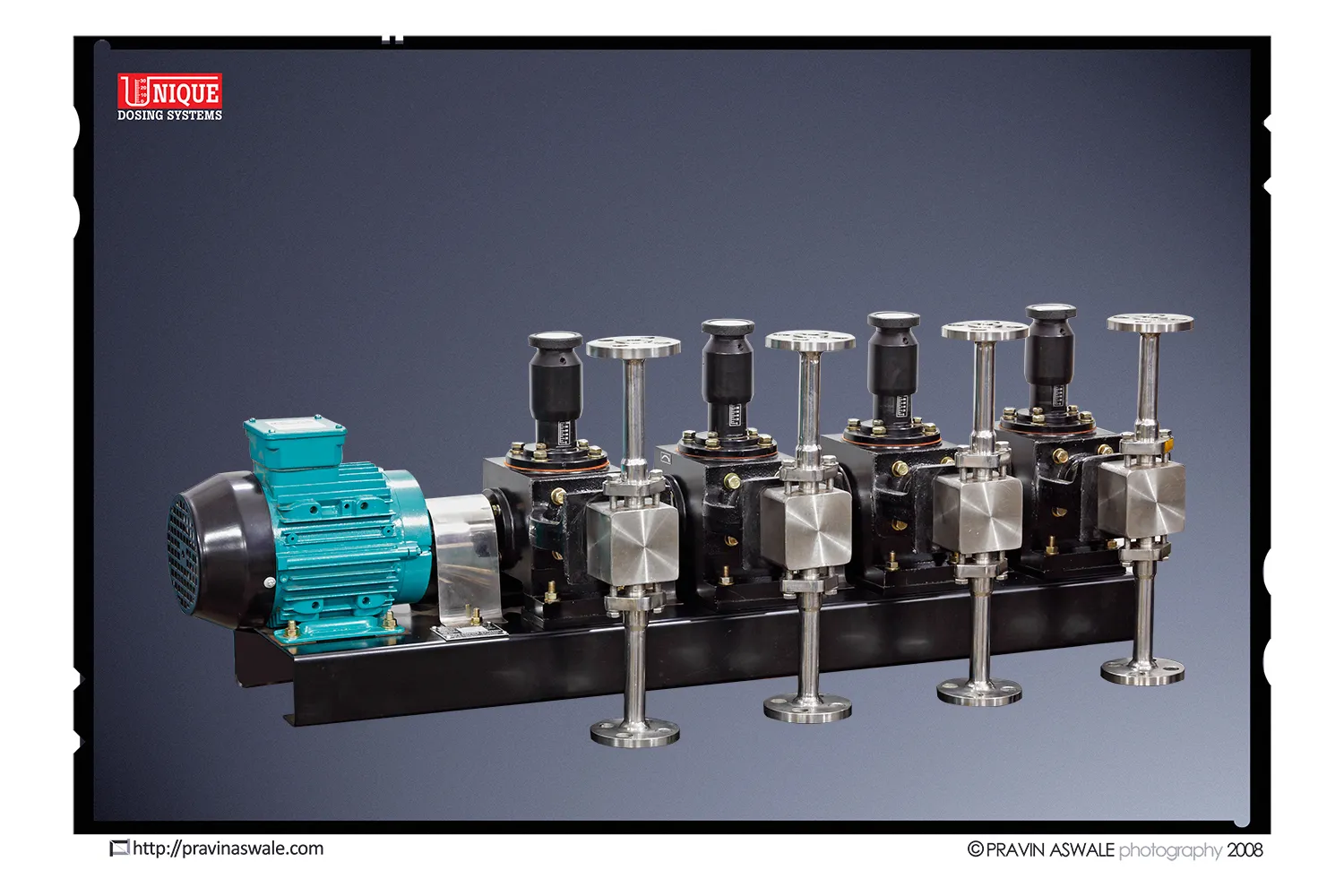
A High Capacity Dosing Pump is an industrial metering pump designed to deliver relatively large quantities of liquids or chemicals at a controlled flow rate and specified discharge pressure.
These pumps are commonly used in industrial processes where chemical consumption is high and accurate liquid delivery is essential. Depending on the application, they may be designed with diaphragm, plunger, or other positive displacement pumping mechanisms.
Unlike standard low-capacity dosing pumps, high-capacity models are engineered to handle greater liquid volumes while maintaining the required dosing performance.
Why Do Industrial Plants Need High Capacity Dosing Pumps?
Large industrial facilities often operate multiple production lines, treatment units, and chemical processing systems simultaneously. These operations require reliable chemical feeding to maintain the desired process conditions.
A high-capacity dosing pump offers several advantages:
Higher Chemical Handling Capacity: Supports applications requiring large chemical volumes.
Consistent Chemical Feeding: Helps maintain controlled dosing throughout industrial operations.
Improved Process Efficiency: Reduces interruptions caused by insufficient chemical delivery capacity.
Reduced Equipment Requirements: A suitably configured high-capacity pump may handle larger dosing requirements without installing several smaller pumps.
Industrial Reliability: Designed for demanding operating conditions and continuous-duty applications, depending on the model.
7 Important Factors to Consider When Selecting a High Capacity Dosing Pump
Choosing the correct pump requires evaluating several technical and operational parameters.
1. Determine the Required Flow Rate
Flow rate is one of the most important factors when selecting a High Capacity Dosing Pump. It refers to the quantity of liquid the pump must deliver within a specific period, generally measured in litres per hour (LPH).
Before selecting a pump, calculate the actual chemical consumption required by your industrial process.
Consider:
Minimum and maximum chemical dosing requirements.
Continuous or intermittent operation.
Number of dosing points.
Future production capacity requirements.
Always select a pump based on the actual operating requirement rather than choosing the highest available capacity.
2. Check the Required Discharge Pressure
The pump must generate sufficient pressure to deliver chemicals through the discharge pipeline and overcome the resistance of the process system.
Discharge pressure selection should consider:
Pipeline length and diameter.
Elevation differences.
Pressure inside the receiving process line.
Valves, filters, and other pipeline restrictions.
Selecting a pump with an appropriate pressure rating helps maintain reliable chemical delivery.
3. Understand Chemical Properties
Not all chemicals have the same physical and chemical characteristics. Some liquids are corrosive, viscous, abrasive, or sensitive to temperature variations.
Before choosing a pump, evaluate:
Chemical concentration.
Liquid viscosity.
Operating temperature.
Corrosive properties.
Presence of suspended particles.
The pump head, diaphragm, plunger, valves, seals, and other wetted components must be compatible with the chemical being handled.
4. Choose the Right Pump Technology
Different pump designs are suitable for different industrial applications.
Diaphragm Dosing Pumps: These pumps use a flexible diaphragm to move liquid and are commonly used for chemical dosing applications. They are suitable for handling many corrosive chemicals when compatible wetted materials are selected.
Plunger Dosing Pumps: Plunger pumps use a reciprocating plunger to deliver liquid under pressure. They are suitable for applications requiring higher pressure and specific flow capacities.
Hydraulic Diaphragm Pumps: These pumps use hydraulic fluid to operate the diaphragm and are commonly selected for demanding industrial metering applications.
The final selection should depend on the required capacity, pressure, chemical properties, and operating conditions.
5. Consider Continuous Operating Requirements
Many industrial plants operate around the clock. Therefore, selecting a High Capacity Dosing Pump suitable for continuous operation is important.
Evaluate the following:
Duty cycle and operating hours.
Motor and drive specifications.
Cooling and temperature requirements.
Maintenance intervals.
Availability of spare parts.
A properly designed and maintained pump can help minimize unexpected downtime.
6. Evaluate Control and Automation Options
Modern industrial dosing systems often require automated control to maintain accurate chemical feeding.
Depending on the application, consider:
Manual flow adjustment.
Variable frequency drive (VFD) control.
4–20 mA control signals.
Pulse-based control.
Automatic process-based dosing.
Flow monitoring and feedback systems.
Automation can help operators adjust dosing according to changing process requirements and improve overall operational control.
7. Check Maintenance and Installation Requirements
Maintenance accessibility is another important consideration when selecting industrial dosing equipment.
Look for a pump design that provides:
Easy access to valves and pumping components.
Convenient diaphragm or plunger replacement.
Availability of original spare parts.
Simple inspection procedures.
Suitable installation and foundation arrangements.
Proper installation and preventive maintenance help improve equipment life and operational reliability.
Major Industrial Applications of High Capacity Dosing Pumps
High-capacity dosing pumps are used in various industries where large quantities of chemicals must be delivered at controlled rates.
Water and Wastewater Treatment Plants
Used for feeding chlorine, coagulants, pH correction chemicals, and other treatment agents during water purification and wastewater treatment processes.
Chemical Manufacturing Industry
Used for controlled feeding of raw materials, additives, and chemical solutions during industrial production.
Power Generation Plants
Suitable for chemical dosing in boiler water treatment, cooling water systems, and other utility applications.
Oil and Gas Industry
Used in selected chemical injection applications, including corrosion inhibitor and process chemical feeding.
Fertilizer Manufacturing
Supports the controlled addition of chemicals and liquid additives during fertilizer production.
Paper and Pulp Industry
Used for feeding process chemicals, bleaching agents, and other additives required during paper manufacturing.
Common Mistakes to Avoid When Selecting a High Capacity Dosing Pump
Even a high-performance pump may not deliver the expected results if it is incorrectly selected.
Avoid these common mistakes:
Ignoring Maximum Pressure Requirements: Selecting a pump based only on flow capacity can lead to poor performance.
Overlooking Chemical Compatibility: Incorrect material selection can cause corrosion, leakage, and premature component failure.
Choosing Excessive Capacity: Oversizing can increase equipment costs and create unnecessary operating challenges.
Ignoring Flow Control Requirements: The pump should provide the required adjustment range for actual process conditions.
Neglecting Maintenance: Limited access to spare parts and servicing can increase downtime.
Not Considering Future Requirements: Industrial production expansion may increase chemical consumption, so future capacity should also be evaluated.
Why Choose an Experienced High Capacity Dosing Pump Manufacturer?
Selecting the right manufacturer is just as important as choosing the correct pump specifications.
An experienced manufacturer can understand your application requirements and recommend a suitable pump configuration based on flow rate, discharge pressure, chemical compatibility, and operating conditions.
Unique Dosing Systems Pvt. Ltd. provides industrial dosing and metering pump solutions for different chemical handling and process applications. With application-oriented engineering and a focus on quality, the company supports industrial requirements through suitable dosing equipment and customized configurations.
Before purchasing a pump, discuss your process requirements with the manufacturer to ensure the selected model meets your technical and operational expectations.
Conclusion
Selecting the right High Capacity Dosing Pump is essential for maintaining accurate chemical feeding, operational efficiency, and reliable performance in industrial plants.
By evaluating flow rate, discharge pressure, chemical properties, pump technology, automation requirements, and maintenance considerations, industries can identify a dosing solution that meets their specific needs.
Whether you operate a water treatment facility, chemical manufacturing plant, power station, or fertilizer production unit, choosing the right high-capacity dosing equipment can support consistent process performance and long-term operational efficiency.
Contact Unique Dosing Systems Pvt. Ltd. to explore suitable industrial dosing and metering pump solutions for your application.