
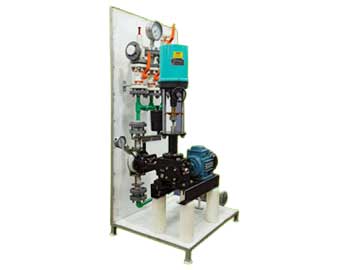
India has become an important manufacturing destination for industrial equipment, including metering pumps, chemical dosing systems, and process fluid handling solutions. Industries such as water treatment, wastewater management, pharmaceuticals, oil and gas, power generation, and chemical processing require reliable pumps for accurate chemical injection and controlled fluid delivery.
As industrial infrastructure and international trade continue to develop, buyers are increasingly evaluating dosing pumps made in India for both domestic applications and export projects.
However, selecting an industrial dosing pump involves more than comparing prices or manufacturing locations. Engineers and procurement teams must evaluate technical performance, operating pressure, flow capacity, chemical compatibility, material selection, applicable standards, documentation, and after-sales support.
In this guide, we will explore the important technical considerations when selecting Indian-made dosing pumps for domestic and international industrial projects.
Why Are Dosing Pumps Made in India Important for Industrial Projects?
Dosing pumps are precision equipment used to inject controlled quantities of chemicals into industrial processes. Their performance directly influences chemical consumption, process stability, treatment efficiency, and operating costs.
Indian manufacturers serve a wide range of industrial requirements by offering different types of metering and dosing pumps.
Some important considerations when sourcing from India include:
Manufacturing Availability: Access to locally manufactured equipment and components can support domestic procurement.
Application Flexibility: Different pump configurations are available for water treatment, chemical processing, and other industrial applications.
Project-Specific Engineering: Manufacturers may offer customised flow capacities, pressure ratings, materials, and control arrangements.
Technical Support: Local manufacturing and service networks can simplify communication, maintenance, and spare-parts procurement.
Export Opportunities: Indian-made equipment can be evaluated for international projects based on technical compliance, documentation, and delivery requirements.
The suitability of any pump depends on its actual design, manufacturing quality, test results, and ability to meet the project's technical specifications.
Common Types of Industrial Dosing Pumps Manufactured in India
Different industrial processes require different dosing pump designs. The correct selection depends on chemical properties, required flow rate, operating pressure, and application conditions.
1. Mechanical Diaphragm Dosing Pumps
Mechanical diaphragm dosing pumps use a flexible diaphragm to displace liquid within the pump head.
The diaphragm separates the pumped chemical from the mechanical drive mechanism, reducing the risk of leakage through a dynamic shaft seal.
Common applications include:
- Water treatment plants
- Wastewater treatment facilities
- Boiler water treatment
- Cooling water systems
- Industrial chemical dosing
These pumps are selected based on required capacity, operating pressure, chemical compatibility, and dosing accuracy.
2. Hydraulic Diaphragm Dosing Pumps
Hydraulic diaphragm dosing pumps use hydraulic fluid to actuate the diaphragm and transfer the required chemical volume.
They are considered for applications requiring specific combinations of pressure, capacity, and process-fluid isolation.
Common applications include chemical processing, industrial injection systems, and demanding metering applications.
3. Plunger-Type Dosing Pumps
Plunger dosing pumps use a reciprocating plunger to displace liquid directly through the pumping chamber.
They are commonly considered for high-pressure metering and chemical injection duties where the pumped fluid is compatible with the plunger and sealing arrangement.
Typical applications include:
- Chemical processing
- Oil and gas installations
- Industrial injection systems
- High-pressure process applications
4. Solenoid-Operated Dosing Pumps
Solenoid-operated dosing pumps use electromagnetic actuation to move a diaphragm and deliver controlled quantities of chemical.
They are commonly used in smaller-capacity dosing applications, water treatment systems, and automated chemical injection arrangements.
Depending on the model, they may support pulse-based or other electronic control methods.
Important Technical Specifications to Evaluate
Before purchasing dosing pumps from an Indian manufacturer, engineers should prepare a clear technical specification.
The following parameters are particularly important.
1. Flow Capacity (LPH)
Flow capacity indicates the volume of chemical solution that a pump can deliver over a specific period.
It is commonly expressed in litres per hour (LPH).
The required capacity should be calculated using:
- Process flow rate
- Required chemical dosage
- Chemical solution concentration
- Minimum and maximum dosing demand
- Operating hours
For a simplified dosing calculation:
Chemical Feed Rate (LPH) = [Dosage (mg/L) × Process Flow (m³/h)] ÷ Solution Concentration (g/L)
For example, consider an application with:
Process flow rate: 100 m³/h
Chemical dosage: 5 mg/L
Active chemical concentration in prepared solution: 10 g/L
Required feed rate:
(5 × 100) ÷ 10 = 50 LPH
The calculated chemical solution requirement is 50 litres per hour.
The selected pump must be capable of delivering this flow at the required discharge pressure. The actual operating range and manufacturer's performance data should also be checked.
2. Discharge Pressure
Discharge pressure is the pressure a dosing pump must overcome to inject chemical into the receiving system.
Important factors include:
- Main pipeline pressure
- Static head difference
- Pipeline friction losses
- Valve and fitting resistance
- Injection point pressure requirements
A pump's maximum pressure rating should not be confused with its ability to deliver the required flow at that pressure.
Always review the manufacturer's performance data to verify the required flow-pressure duty point.
3. Dosing Accuracy and Repeatability
Dosing accuracy is essential in applications where chemical concentration must remain within defined process limits.
Evaluate:
- Flow adjustment range
- Repeatability
- Calibration procedure
- Performance at minimum and maximum capacity
- Effect of operating pressure
- Control system compatibility
- Request manufacturer test data where dosing accuracy is a critical project requirement.
4. Wetted Material Compatibility
Chemical compatibility is one of the most important considerations in dosing pump selection.
The pump's wetted components must withstand the chemical's concentration, temperature, viscosity, and corrosive properties.
Commonly used material options may include:
- Stainless steel grades selected for the chemical service
- PVC and other suitable engineering plastics
- PP (Polypropylene)
- PVDF
- PTFE
- Compatible elastomers
The correct selection depends on the exact chemical and operating conditions. A material suitable for one concentration or temperature may not be suitable for another.
5. Power Supply and Motor Specifications
For motor-driven dosing pumps, electrical requirements should match the installation location and project specifications.
Consider:
- Rated motor power
- Voltage and frequency
- Single-phase or three-phase supply
- Motor enclosure protection
- Insulation class
- Hazardous-area requirements, where applicable
- Variable frequency drive compatibility, if required
For export projects, electrical specifications must be checked against the destination country's supply and applicable project requirements.
Technical Considerations for Domestic Projects in India
Domestic industrial projects may have different technical, operational, and regulatory requirements depending on the application and end-user organisation.
Before selecting dosing pumps for an Indian project, consider the following factors.
1. Applicable Indian Standards and Project Requirements
Check whether the project specification requires compliance with particular Indian Standards, statutory requirements, or industry-specific technical documents.
Requirements may vary across water treatment, power generation, chemical processing, and other industries.
Do not assume that every dosing pump must carry the same certification. Confirm the applicable requirements with the project consultant or end user.
2. Industrial Operating Conditions
Indian installations may operate under different ambient temperatures, humidity levels, dust exposure, and environmental conditions.
The pump and motor arrangement should be suitable for the actual installation environment.
Consider:
- Ambient temperature
- Indoor or outdoor installation
- Humidity and corrosion exposure
- Dust protection
- Ventilation
Foundation and mounting arrangement
3. Maintenance and Spare Parts Availability
For domestic industrial plants, the availability of service support and replacement components can influence long-term operating costs.
Before finalising a manufacturer, check:
- Diaphragm and seal availability
- Replacement valve availability
- Motor and gearbox service support
- Technical assistance
- Maintenance documentation
- Warranty conditions
A reliable spare-parts supply arrangement can help reduce equipment downtime.
4. Customisation Requirements
Different projects may require different pump capacities, materials, accessories, and control arrangements.
Discuss customisation requirements during the enquiry stage rather than assuming that a standard model will meet every process condition.
Technical Considerations for Export Projects
Exporting dosing pumps involves additional technical and commercial requirements. A pump suitable for an Indian installation may need modifications or additional documentation before it can be accepted in another country.
1. Destination Country Standards and Certifications
Different countries and industries may follow different equipment standards and regulatory requirements.
Depending on the destination, application, and contract, buyers may request:
- ISO-based quality management documentation
- IEC-related electrical requirements
- CE conformity documentation, where applicable
- ATEX requirements for applicable explosive atmospheres
- Hazardous-area motor certifications
- Project-specific inspection and testing documents
These requirements are not interchangeable. For example, CE marking is relevant to applicable European Union product legislation, while ATEX concerns equipment and protective systems intended for potentially explosive atmospheres.
Manufacturers and exporters should confirm the exact certification scope before making compliance claims.
2. Electrical and Motor Compatibility
Export projects may specify electrical configurations different from standard domestic requirements.
Confirm:
- Rated voltage
- Supply frequency
- Phase configuration
- Motor protection
- Enclosure requirements
- Hazardous-area classification
- Cable entry and connection requirements
The motor and electrical accessories should match the destination project's approved specifications.
3. Documentation and Inspection Requirements
International buyers may require detailed documentation before approving equipment for dispatch.
Common documents include:
- Technical datasheets
- General arrangement drawings
- P&ID, where applicable
- Material specifications
- Pump performance curves
- Inspection and test reports
- Operation and maintenance manuals
- Installation instructions
- Spare-parts lists
- Certificates required by the purchase order
Documentation should be prepared according to the project requirements and supplied in the requested format.
4. Packaging and Transportation
Industrial dosing pumps must be packed appropriately for international transportation.
Consider:
- Export-grade packaging
- Moisture protection
- Corrosion protection
- Secure internal supports
- Handling and lifting instructions
- Shipping dimensions and gross weight
- Country-specific packaging or marking requirements
Suitable packaging helps protect the equipment during storage, loading, and transportation.
5. After-Sales Support and Spare Parts
International customers should understand how technical support and spare-parts supply will be handled after delivery.
Before placing an order, clarify:
- Warranty coverage
- Technical support availability
- Spare-parts lead times
- Remote troubleshooting support
- Service arrangements
- Documentation and training availability
A clearly defined after-sales support plan helps build confidence in long-term equipment operation.
Domestic vs. Export Dosing Pump Projects: Key Differences
Although the basic pump selection principles remain similar, domestic and export projects can differ in their compliance, documentation, and logistics requirements.
| Comparison Factor | Domestic Projects in India | Export Projects |
|---|---|---|
| Technical specifications | Indian end-user and project requirements | Destination and project-specific requirements |
| Electrical supply | As specified for the Indian installation | Must match destination supply |
| Certifications | Applicable Indian and project requirements | Destination-specific and contractual requirements |
| Documentation | Datasheets, drawings, test reports, manuals | May require additional inspection and conformity documents |
| Packaging | Suitable domestic transportation packaging | Export-grade packaging and marking |
| Spare parts | Domestic service and supply network | International supply and delivery arrangements |
| Technical support | Local service coordination | Remote or regional service arrangements |
| Inspection | End-user or consultant requirements | Buyer, third-party, or project inspection requirements |
The exact requirements should always be confirmed in the purchase order and approved technical documents.
Quality Checks Before Purchasing Dosing Pumps Made in India
A manufacturer's technical capabilities and quality processes should be evaluated before equipment approval.
Consider reviewing the following:
1. Manufacturing Capabilities
Understand whether the manufacturer has the required facilities and expertise for the specified pump type, capacity, pressure, and material configuration.
2. Quality Management System
Review the manufacturer's quality management practices and relevant certifications, where required.
A certification should be verified for its scope, validity, and issuing organisation.
3. Performance Testing
Ask for appropriate test records covering parameters such as:
- Flow rate
- Discharge pressure
- Leakage
- Mechanical operation
- Motor performance
- Vibration and noise, where specified
The test procedure and acceptance criteria should match the project requirements.
4. Material Verification
For critical applications, request material certificates or inspection records for specified wetted components when required by the purchase order.
5. Documentation Review
Ensure that approved datasheets, drawings, operating manuals, and inspection documents are available before final acceptance.
Common Mistakes to Avoid When Selecting Indian Dosing Pump Manufacturers
Selecting equipment only on the basis of initial purchase price can create long-term technical and operational problems.
Avoid these common mistakes:
Ignoring Flow and Pressure Requirements: A pump must deliver the required flow at the specified operating pressure.
Overlooking Chemical Compatibility: Incorrect wetted materials can lead to corrosion, leakage, or premature failure.
Assuming Certifications: Always verify certificates and their actual scope instead of relying on general marketing claims.
Ignoring Export Requirements: Electrical, documentation, packaging, and conformity requirements should be checked before manufacturing.
Not Reviewing Test Reports: Performance testing helps confirm whether the supplied equipment meets the approved specification.
Overlooking After-Sales Support: Spare-parts availability and technical assistance are important throughout the equipment's service life.
Selection Checklist for Domestic and Export Projects
Use this checklist when evaluating dosing pumps made in India:
- Required flow capacity in LPH is defined.
- Normal and maximum discharge pressure are specified.
- Chemical properties and concentration are confirmed.
- Wetted material compatibility is verified.
- Required dosing accuracy is documented.
- Motor voltage and frequency are confirmed.
- Hazardous-area requirements are reviewed, where applicable.
- Applicable standards and certifications are identified.
- Performance testing and inspection requirements are defined.
- Datasheets, drawings, and manuals are included.
- Spare-parts and service support are confirmed.
- Packaging and shipping requirements are documented for export projects.
Conclusion
India offers manufacturing options for a wide range of industrial metering and chemical dosing requirements. However, selecting the right equipment requires a detailed evaluation of technical specifications, manufacturing capabilities, quality processes, and project compliance requirements.
When sourcing dosing pumps made in India, domestic and international buyers should focus on flow capacity, discharge pressure, dosing accuracy, chemical compatibility, electrical specifications, testing, and after-sales support.
For domestic projects, local service availability and applicable Indian requirements are important considerations. For export projects, destination-specific standards, documentation, electrical compatibility, packaging, and international support arrangements also need attention.
A technically suitable dosing pump is not simply the one with the lowest price or highest capacity. It is the one that meets the actual process requirements and delivers reliable performance throughout its intended service life.
Frequently Asked Questions (FAQs)
1. What should I consider when buying dosing pumps made in India?
Evaluate the required flow rate, discharge pressure, chemical compatibility, dosing accuracy, pump construction, motor specifications, testing facilities, documentation, warranty, and spare-parts availability.
2. Which types of dosing pumps are available from Indian manufacturers?
Common types include mechanical diaphragm, hydraulic diaphragm, plunger, and solenoid-operated dosing pumps. Availability and specifications vary by manufacturer.
3. Are Indian-made dosing pumps suitable for export projects?
They can be suitable when the selected model meets the destination country's applicable requirements and the buyer's technical specifications, inspection criteria, documentation, and electrical requirements.
4. What technical documents should I request from a dosing pump manufacturer?
Common documents include pump datasheets, performance curves, general arrangement drawings, material details, test reports, operation and maintenance manuals, and relevant certificates.
5. How do I verify the quality of an Indian dosing pump manufacturer?
Review the manufacturer's production capabilities, quality management system, relevant certifications, inspection procedures, test facilities, product documentation, and service support.
6. What is the difference between a diaphragm and a plunger dosing pump?
A diaphragm pump uses a flexible membrane to displace the chemical, separating the process liquid from the drive mechanism. A plunger pump uses a reciprocating plunger to directly displace liquid and requires a sealing arrangement around the moving plunger.
7. Why is after-sales support important for export dosing pumps?
After-sales support helps international customers obtain technical assistance, replacement components, troubleshooting guidance, and maintenance information throughout the equipment's service life.