Introduction to Dosing Pumps
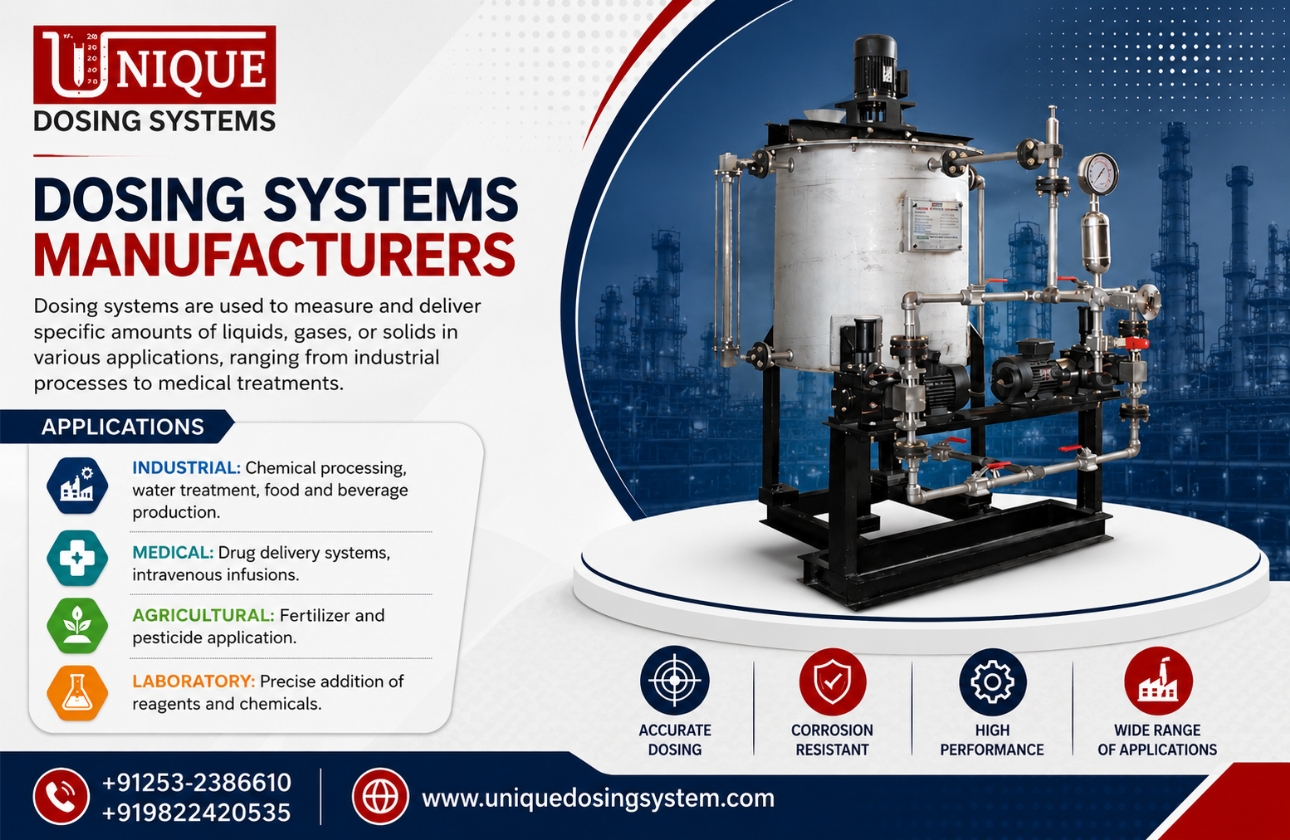
Dosing pumps are a type of positive displacement pump used to inject precise flow rates of a chemical or substance into a water, steam, or gas flow. They play a crucial role in various industrial processes by ensuring substances are added consistently in controlled amounts. This precision ensures that the intended reaction, application, or treatment occurs as planned, without the risk of oversaturation or insufficient dosage.
How Dosing Pumps Work
At the heart of dosing pumps is the ability to deliver small, precise volumes of liquid with repeatability. Typically, dosing pumps work by drawing a fixed volume of liquid into a chamber and then injecting it into the system. The operation of these pumps can be automated and controlled via a computer or a manual joystick, allowing for high precision in flow rate adjustments. This adaptability and control make dosing pumps indispensable in operations requiring exact chemical measurements.
Applications of Dosing Pumps
The applications of dosing pumps are extensive. In the water treatment industry, they are used for chlorination, pH control, and the addition of coagulants. They are also crucial in the food industry, where they are used to add flavoring agents, preservatives, or nutrients. In pharmaceuticals, dosing pumps help in precise drug formulation and delivery. Their versatility and precision are well-explained in this detailed guide.
Benefits of Using Dosing Pumps
Dosing pumps offer several benefits, including accurate and consistent dosing, improved process control, reduced chemical waste, and enhanced safety. The precise dosing capabilities help prevent overuse or underutilization of chemicals, which can lead to cost savings and environmental compliance. Additionally, automated systems reduce the need for manual intervention, significantly improving worker safety by minimizing exposure to harmful chemicals.
Types of Dosing Pumps
Various types of dosing pumps are available, including diaphragm pumps, peristaltic pumps, and piston pumps. Each type has its unique mechanism and is suited to different applications. Understanding these types can help industries select the right pump for their specific needs. Diaphragm pumps are widely used due to their ability to handle corrosive chemicals without leakage.
Factors to Consider When Choosing a Dosing Pump
When selecting a dosing pump, factors such as the chemical being dosed, required flow rate, and the operating environment are crucial. Other considerations include maintenance requirements, cost, and compatibility with existing systems. It's essential to assess these factors carefully to ensure the chosen pump meets operational needs efficiently. More insights can be found in this selection guide.
Maintenance and Troubleshooting
Regular maintenance of dosing pumps is vital to ensure they operate effectively and have a long lifespan. Common issues include leaks, loss of pressure, and erratic dosing. Performing routine checks and replacing worn components help keep the system functioning smoothly. It's crucial to have a maintenance plan in place and train staff on basic troubleshooting techniques to address issues promptly.
Advancements in Dosing Pump Technology
The dosing pump industry has seen significant technological advancements, including digital dosing pumps offering remote control and monitoring capabilities. Modern pumps can be integrated into wider control systems, providing real-time feedback and alarms, enhancing precision and safety. These advancements are discussed in this comprehensive analysis.
The Impact of Dosing Pumps on Industry Standards
Industries globally have raised their standards for precision and efficiency, thanks to dosing pumps. They contribute profoundly to consistent product quality and compliance with stringent regulations on chemical handling and environmental safety. Their role in ensuring operational efficiency is unparalleled, making them a crucial component in many sectors.
Frequently Asked Questions
1. What is a dosing pump?
Answer: A dosing pump is a positive displacement pump designed to inject precise amounts of fluid into a system or process to allow for exacting chemical applications or treatments.
2. How do I choose the right dosing pump for my application?
Answer: Choosing the right dosing pump depends on the chemical properties, required dosage, and application needs. Factors like flow rate, material compatibility, and control capabilities should be carefully evaluated.
3. Can dosing pumps handle corrosive chemicals?
Answer: Yes, dosing pumps are capable of handling corrosive chemicals, especially diaphragm pumps, which are specifically designed to resist chemical corrosion and prevent leakage.
4. How often should dosing pumps be maintained?
Answer: It's recommended to perform regular maintenance checks as per the manufacturer's guidelines. Regular maintenance ensures the longevity and efficiency of the dosing pumps.
5. What industries benefit most from dosing pumps?
Answer: Industries such as water treatment, food and beverage, pharmaceuticals, and chemical manufacturing benefit greatly from the precision and reliability offered by dosing pumps.