Introduction to Metering Pumps
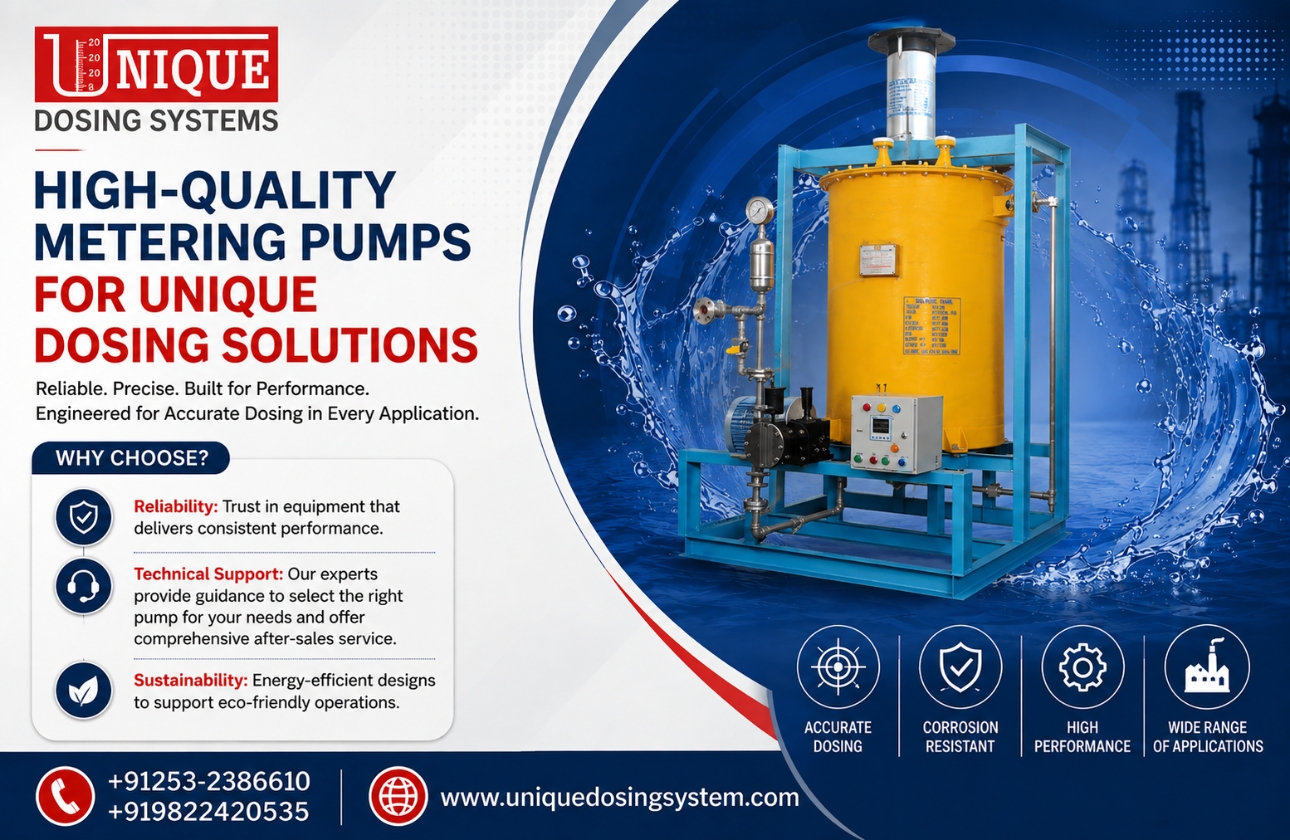
Metering pumps are often an integral part of many industries, playing a crucial role in the precise dosing of liquids. Essentially, a metering pump can be defined as a device that works to move a precise amount of fluid over a specified period of time. This precision makes them especially valuable in industries where accuracy in liquid handling is vital. Whether it's in a water treatment plant or in the pharmaceutical industry, the importance of these pumps cannot be overstated.
The Importance of Metering Pumps
One of the main reasons metering pumps are such a critical component in many processes is their accuracy. Industries that rely on precision dosing benefit greatly from the ability of these pumps to consistently deliver exact amounts of liquids. This not only boosts the efficiency of operations but also reduces waste, leading to cost savings. Additionally, accurate dosing can improve the quality of the end product, whether it's cleaner water or a pharmaceutical compound. Understanding Metering Pumps further underscores their invaluable role in modern operations.
Applications of Metering Pumps
The applications of metering pumps are diverse. They are used in water treatment facilities to add chemicals that purify water. In the oil and gas sector, they add additives and chemicals to various processes. The pharmaceutical industry also uses metering pumps to assure that drug formulations include precise amounts of ingredients. Each application draws on the pump's ability to provide consistent and accurate dosing, demonstrating their wide-ranging utility. The Practical Overview of Dosing Systems highlights various applications that show the versatility of these pumps.
Key Components of a Metering Pump
Understanding how a metering pump works involves knowing its key components. The most critical parts include the pump head, drive mechanism, and various control components. The pump head is where the liquid enters and leaves, while the drive mechanism controls the pump’s movement, ensuring the precise flow rates. Control components, such as valves and sensors, fine-tune the pump operation, enhancing its accuracy and efficiency. These essential components work together to keep processes running smoothly and effectively.
Technology Behind Metering Pumps
Over the years, the technology behind metering pumps has evolved significantly. Today’s pumps often feature advanced technology such as digital controls and smart systems that allow for precise monitoring and adjustments. Some pumps now come with remote monitoring features, enabling operators to keep track from any location. These advancements in technology have significantly improved the reliability and functionality of metering pumps, as seen in detailed analyses like the Friendly Deep Dive into Metering Pumps.
Understanding Different Types of Metering Pumps
There are several types of metering pumps, each suited to specific applications. Some of the most common types include diaphragm pumps, piston pumps, and peristaltic pumps. Diaphragm pumps are renowned for their ability to handle aggressive liquids, while piston pumps are celebrated for high-pressure applications. Peristaltic pumps are perfect for gentle, non-invasive transport of fluids. Each type brings unique benefits that cater to varied industrial needs. For an in-depth look into these Different Types, one can explore further resources.
Installation Tips for Metering Pumps
Getting the installation right is crucial for the optimal performance of metering pumps. It's important to follow the manufacturer’s instructions closely, paying attention to the placement of the pump on a stable surface to minimize vibration and noise. Ensuring that the pump is properly aligned with piping systems can prevent leakage and ensure efficiency. Regular inspection and maintenance are also vital to keeping the pump running smoothly. This ensures the longevity of the pump and maintains its high performance over time.
Future Trends in Metering Pump Technology
Looking ahead, the future of metering pumps appears promising, with technological advancements already on the horizon. Increased automation and smarter systems are becoming the norm, offering enhanced precision and reliability. As industries push towards more sustainable practices, there is a strong focus on developing pumps that consume less power while maintaining high performance. These innovations not only enhance efficiency but also align with Sustainability Goals many companies are striving to meet.
Frequently Asked Questions
1. What is a metering pump used for?
Answer: Metering pumps are used for the precise injection of liquids into a system. They are crucial in industries where accuracy is important, such as in water treatment, pharmaceuticals, and the oil and gas sector. These pumps ensure that the correct amount of liquid is released, which helps in maintaining the proper chemical balance in a variety of applications.
2. How do metering pumps work?
Answer: Metering pumps operate by using a pumping mechanism, usually a diaphragm or piston, that moves liquid at a precise flow rate. The pump's settings can be adjusted to deliver specific amounts of liquid, making exact dosing possible. This precision can be maintained through the use of advanced controls and monitoring systems.
3. What are the different types of metering pumps?
Answer: Different types of metering pumps include diaphragm pumps, piston pumps, and peristaltic pumps. Each type serves specific needs, such as handling corrosive substances, delivering high-pressure doses, or moving delicate fluids without shearing. Each has unique characteristics and is chosen based on the specific requirements of an application.
4. Why are metering pumps important in industries?
Answer: Metering pumps are important because they provide high accuracy in dosing, which is vital for maintaining product quality and operational efficiency. Correct dosing helps avoid wastage and ensures that the process aligns with safety and environmental standards, reducing the likelihood of costly errors.
5. What advancements are expected in metering pump technology?
Answer: Future advancements are likely to feature more automation and real-time monitoring capabilities, making operations easier and more efficient. Innovations include energy-efficient designs and smarter controls, which will contribute to lower operational costs and better environmental sustainability, aligning with modern industrial needs.