What are Dosing Pumps?
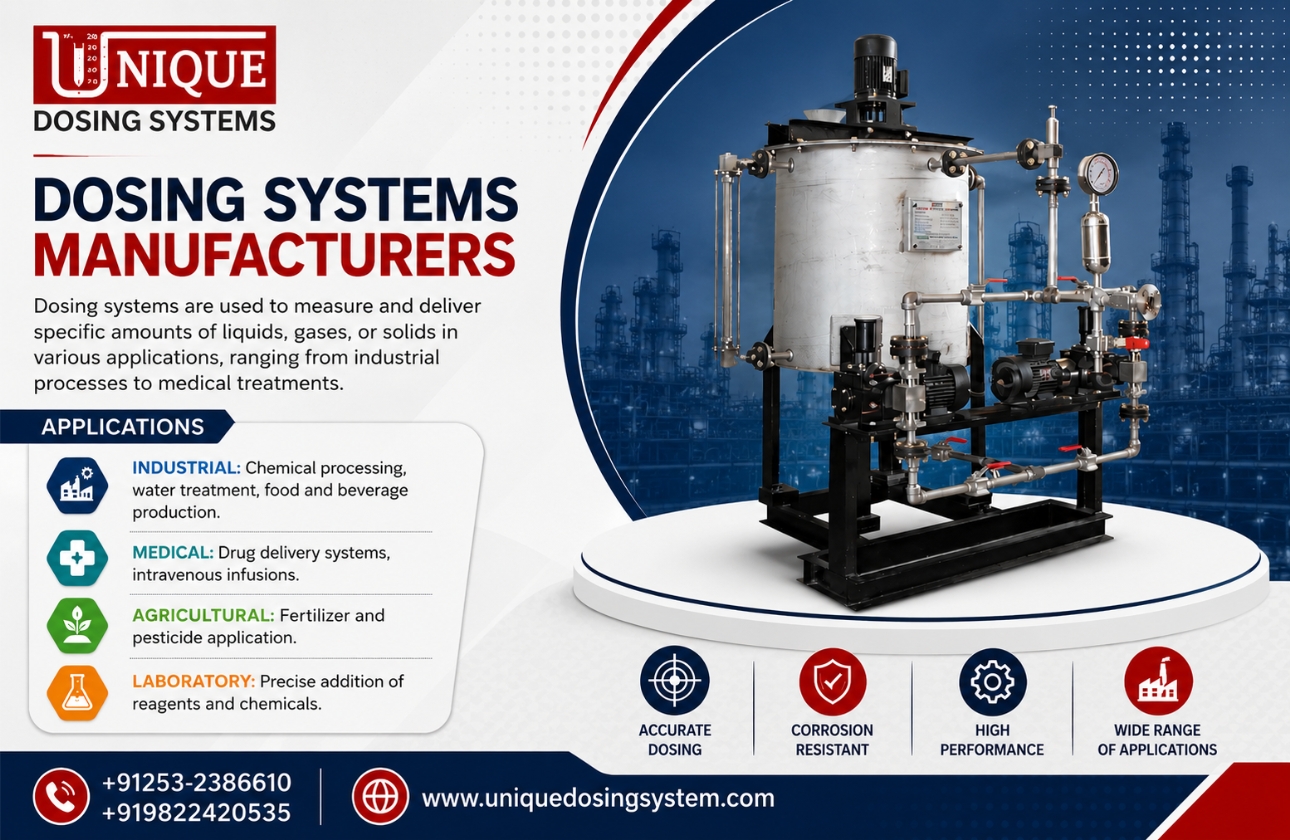
Dosing pumps play a crucial role in many industrial processes. Simply put, these pumps are used to inject chemicals or other substances into a stream of water, gas, or steam. Their primary function is to ensure the precise addition of a liquid at set intervals. You can find these pumps in a variety of applications, including water treatment, pharmaceuticals, food processing, and more. They work by drawing a fixed amount of liquid into a chamber, which is then injected into the target medium. The precision of dosing pumps is what makes them indispensable across various sectors. Their use is not just limited to industrial applications; dosing pumps are also popular in day-to-day tasks like maintaining aquariums. This ability to deliver consistent and accurate dosing without manual intervention is largely what makes them a preferred choice in numerous settings. If you're interested in the technical specifics of how these pumps operate, you might explore more detailed resources that go deeper into the mechanisms, such as this guide on dosing systems.
Types of Dosing Pumps
Dosing pumps come in a variety of types, each designed to suit different needs. Among the most common are diaphragm pumps, peristaltic pumps, and piston pumps. Diaphragm pumps are known for their accuracy and ability to handle corrosive and abrasive substances without damage. Peristaltic pumps excel in hygiene and gentle handling, making them apt for food-grade applications. Piston pumps, on the other hand, offer robust performance under high-pressure conditions. Such diversity in pump types makes it easier to find exactly what you need for your specific application. Each type has its unique advantages and limitations, so understanding these can significantly enhance the efficiency and safety of the operation you're managing. For a more detailed exploration of different dosing pumps, check out reputable industrial guides that offer in-depth comparisons and analyses.
Key Applications of Dosing Pumps
Dosing pumps are pivotal across a broad spectrum of industries. In the water treatment industry, they help in the precise addition of chlorine and other cleaning agents to ensure safe water supply. They are equally important in the food and beverage sector, where they ensure consistent flavor and preservation quality by exact mixing of ingredients. In the pharmaceutical field, dosing pumps are used for precise liquid injection in drug production, which maintains product consistency and efficacy. These pumps also play a significant role in agriculture, affecting fertilizer distribution and livestock feeding. Their versatility is continually expanding, reaching newer fields and applications. If you are involved in any of these sectors, incorporating a dosing system can up your operational efficiency significantly. For information tailored to the applications in India, consider reading about the leading metering solutions in the region.
Benefits of Using Dosing Pumps
The introduction of dosing pumps into industrial and commercial processes comes with numerous benefits. Their most obvious advantage is precision. By ensuring the accurate delivery of chemicals or fluids, dosing pumps help reduce waste and prevent costly overdosing. Additionally, they improve safety since they minimize direct human contact with potentially harmful chemicals. The automation they provide ensures consistent performance, which is key to maintaining quality control across batches and cycles. Moreover, dosing pumps are highly durable and require minimal maintenance, which can save businesses both time and money in the long run. Innovations in dosing technology continuously enhance these benefits, making dosing systems an ever more essential component of production lines. To learn how these advantages translate into real-world applications, dive deeper with this comprehensive guide on metering solutions.
How to Select the Right Dosing Pump
Choosing the right dosing pump for your needs involves several considerations. First, you need to determine the specific requirements of your application, such as the nature of the chemical to be dosed, the required flow rate, and the pressure conditions. Compatibility with the substance is crucial, as certain pump materials are more resistant to corrosive chemicals. You should also consider the pump's accuracy and repeatability, which will impact the consistency of your process. Another factor is the control mechanism; some pumps allow for programmable or remote control, adding a layer of convenience for operations that require frequent adjustments. It's always a good idea to consult with manufacturers or experts to ensure you’re getting a pump that matches your operational needs and budget. For a detailed overview of factors to consider, you might find this guide on choosing dosing pumps helpful.
Maintenance and Troubleshooting Dosing Pumps
Proper maintenance is key to extending the life of your dosing pump and ensuring its optimal performance. Regularly check for signs of wear and tear, and replace any damaged parts promptly. It's also important to ensure hoses and connections are secure to prevent leaks. Many manufacturers provide detailed maintenance guides, and it can be beneficial to adhere closely to these recommendations. Troubleshooting common issues, such as reduced flow rates or unexpected noises, may also require consulting these guides or reaching out to a professional. Regularly scheduled maintenance not only helps in identifying potential problems early but can also prevent costly downtime due to pump failure. To learn about best practices in maintenance, you could explore more resources like this deep dive into metering and dosing technologies for practical tips.
Advanced Features in Modern Dosing Pumps
As technology evolves, dosing pumps are becoming smarter and more efficient. Modern pumps often come equipped with advanced features such as programmable logic controllers (PLCs) for automated operation and real-time monitoring capabilities. These enhancements allow users to control pump activities remotely and make adjustments without being physically present. Moreover, some pumps are designed to communicate with other devices in an industrial network, providing valuable data for optimizing operations without disrupting the workflow. This connectivity enables predictive maintenance and process improvement, leading to higher efficiency and lower costs over time. To keep up with technology and make informed decisions, it's wise to keep track of the latest advancements through resources like this exploration of advanced dosing systems.
Frequently Asked Questions
1. What is a dosing pump used for?
Answer: Dosing pumps are used to add chemicals or other substances into a stream of water, gas, or steam. They ensure precise, timed doses of substances, which helps in maintaining consistency and quality in various applications such as water treatment, pharmaceuticals, and food processing.
2. How do I choose the right dosing pump for my application?
Answer: Consider the chemical to be dosed, required flow rate, pressure conditions, and compatibility with the pump material. Also, think about the pump's accuracy, control options, and budget. Consultation with manufacturers or experts can also guide you to the best choice.
3. What are the maintenance requirements for a dosing pump?
Answer: Regular checks for wear, ensuring secure hose connections, and following manufacturer guidelines for part replacement are essential. Scheduled maintenance helps prevent costly downtimes and extends pump life.
4. Can dosing pumps work automatically?
Answer: Yes, many modern dosing pumps come with programmable logic controllers (PLCs) that allow for automated dosing and remote operation, providing high convenience and efficiency in many industrial setups.
5. Are there any advanced features in dosing pumps?
Answer: Modern dosing pumps often include advanced features such as PLCs and real-time monitoring for automated operations. These features enable remote adjustments, predictive maintenance, and connectivity with other devices for enhanced operational efficiency.